Here I am with another end-of-year “best of” recommendation: Today’s Châteauneuf-du-Pape “Cuvée Vieilles Vignes” from the great Domaine de la Charbonnière. In the bountiful, blockbuster vintage of 2015, I was stunned by the finesse of this perfumed, Grenache-driven beauty—as were the critics, it turns out. So, I’ll go ahead and repeat: This was my favorite Châteauneuf red of 2019, reminding me of the fabled Château Rayas but coming in at a very affordable price.
Its lively energy and sweet-meets-savory aromatics reeled me right in, and I found myself returning to the glass again and again, encountering intriguing new aromas and flavors each time. Sourced almost entirely from vineyards perched on the famed “La Crau” plateau—the region’s most acclaimed subzone—the Cuvée Vieilles Vignes makes extra-good on its “old vine” promise, with most of the Grenache sourced from vines between 75-100 years of age. Quite frankly, I don’t drink a lot of Châteauneuf-du-Pape these days, but I can’t get enough of this one: It’s a vibrant and complex reminder that this historic region is still producing greatness on a regular basis. Put this on the table alongside some top Burgundies and Bordeaux and I guarantee it won’t miss a beat—in fact, it may well win the day! Don’t miss it!
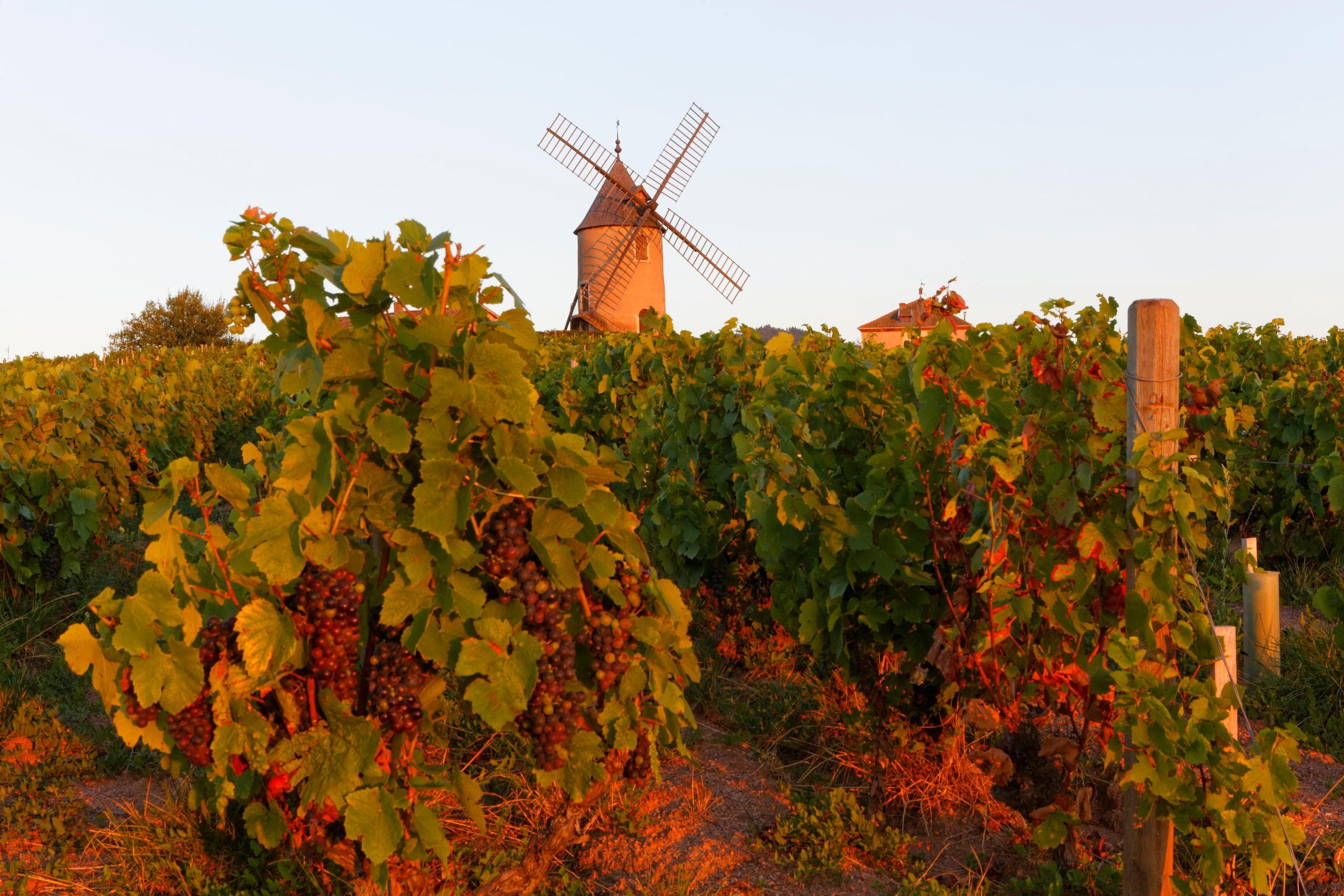
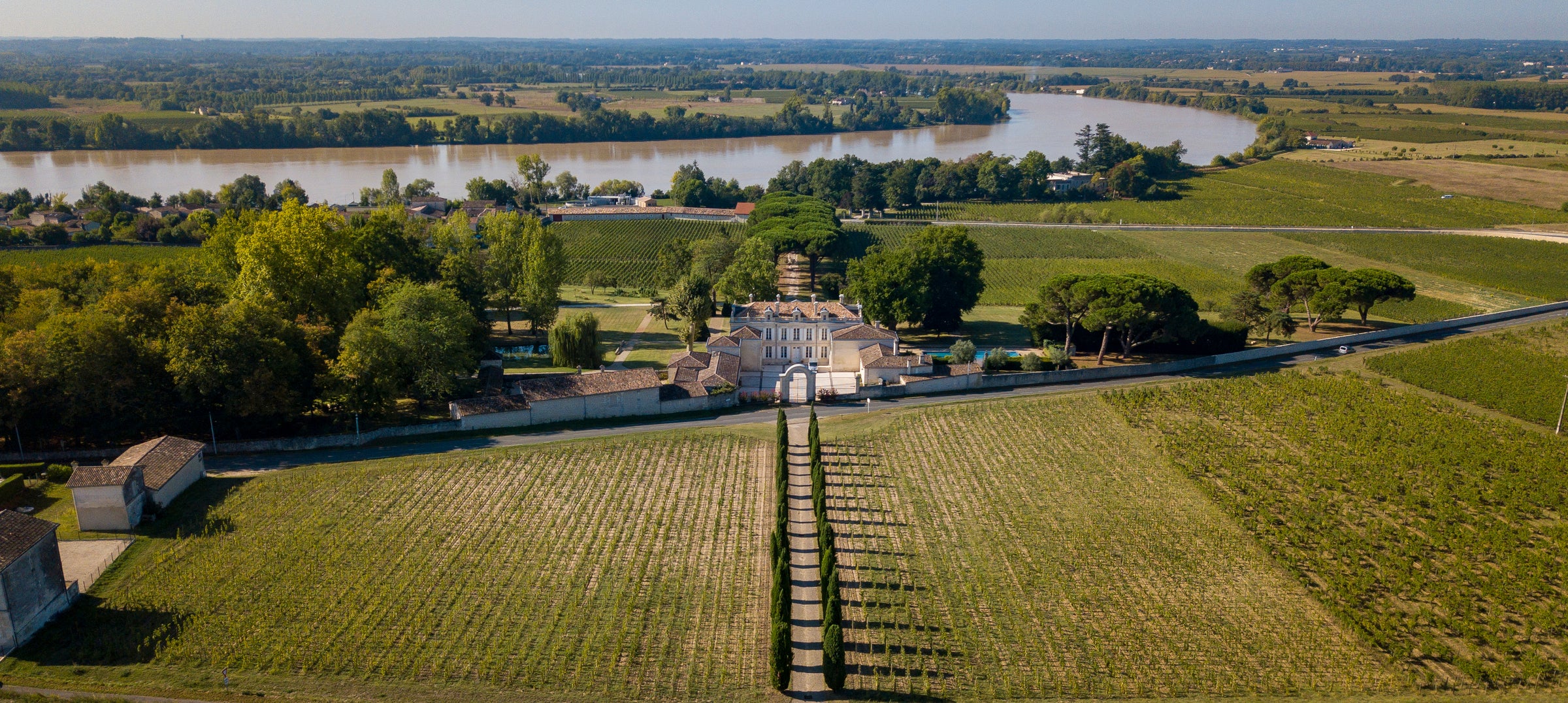
The Maret family has been quietly and consistently crafting the wines of La Charbonnière for more than 100 years. Established in 1912, the estate is now in its fourth generation of family winemaking, with young sisters Veronique and Caroline Maret taking the property to new heights of popularity and prestige. To the delight of Châteauneuf purists, the Marets have resisted the unfortunate trend that’s plagued the region for the past 25 years (making blowsy, early-drinking, high-alcohol wines that become stewed and lack acidity), thankfully opting instead for age-worthiness, organic farming, and highlighting the superior fruit from naturally low-yielding vines. Domaine Charbonnière controls approximately 43 acres of vines peppered throughout the Châteauneuf-du-Pape appellation, with their finest parcels located in La Crau, a sandy plateau littered with the rounded river stones known as galets roulés.
The 2015 edition of “Cuvee Vieilles Vignes” contains 90% Grenache and 10% Mourvèdre. Grenache vines are indeed old, averaging 75 years, with many individual vines over 100 years old, producing concentrated yet balanced fruit. To sweeten the deal, 90% of the old-vine Grenache is sourced from La Crau, where the inhospitable soil, higher elevation, and exposure to mistral winds create an ideal environment for perfumed, finessed Grenache. Add to it a touch of plummy, spicy Mourvèdre, from 45-year-old vines on similarly sandy soils, and the aromatic range only broadens. Grapes are hand-harvested, with a selective sorting to ensure the highest quality. The Maret sisters include 25% whole grapes clusters during fermentation for freshness and vibrancy, with vinification taking place in conical oak vats élevage (aging) in demi-muids and smaller barrels, a percentage of which are new. The entire production of this wine is a scant 350 cases.
In the glass, the 2015 Cuvée Vieille Vignes has a crimson-red core moving to light garnet with pink flecks on the rim. Perhaps most intriguing is this wine’s push/pull of sweet and savory that begins on the nose and follows through the finish on the palate. On the nose is the unmistakable garrigue perfume in all its scrub-brushy glory, accented by fresh strawberry, cassis and plum, a hint of green olive, white pepper, and balsamic. It is medium-plus bodied on the palate with a kiss of dark orchard fruit, olive tapenade, venison jerky, violet, and more wild strawberry. Domaine de la Charbonnière always makes highly textured wines, and there is a plush quality coupled with intensity of fruit that segues into velvety yet firm tannins. If you really want to really impress this holiday season, open a few bottles for a cozy meal or dynamic dinner party. This wine can be enjoyed with any glassware, but large Burgundy stems are ideal. Don’t worry about decanting. Open it 20-30 minutes prior to serving at 60-65 degrees and allow the wine to evolve in glass. Try the attached pistachio- and olive-crusted lamb chops and re-discover the elegant side of the Southern Rhône. Cheers!