We taste a tremendous number of Brunello di Montalcino wines but offer relatively few. Why? A lot of them taste expensive, and are expensive, but don’t necessarily say much about the grape (Sangiovese) or the place (Tuscany). There are plenty of objectively impressive wines to be had, but we’re looking for the ones with real soul.
Not only did I feel like today’s wine had soul, it reminded me of how important it is to be open-minded about wine: Whether it’s Montalcino, Barolo, or Burgundy for that matter, a lot of the discussion centers on whether a producer is a “traditionalist” or a “modernist.” Some people consider the latter to be a dirty word, associating “modernism” with a certain kind of rich, squeaky-clean, oak-polished sameness. Conversely, the non-interventionist ethos of traditionalism can create overly rustic or outwardly flawed wines. When it comes to wine I’m more inclined to be a centrist—today’s sleek and evocatively aromatic Brunello from Il Molino di Sant’Antimo is a modern wine that is neither expensive nor homogenized. It’s a smoky, dark-fruited walk through Tuscan woodlands, which is what proper Sangiovese is supposed to be. Its oak aging is perceptible, but hardly the dominant component. It is clean, polished even, but not sweet. It is, in short, a sumptuous Brunello di Montalcino from an excellent vintage that has a long life ahead of it. And its value-for-dollar is simply unbeatable!
It ultimately comes down to authenticity: As Montalcino has risen to international prominence, the desire/need for blockbuster, high-scoring wines has heavily influenced wine style. But what we want from Montalcino Sangiovese is the nuance of a true wine of place—one in which sweet fruit melds with savory earth; varietal character isn’t masked by excessive extraction or oak; and the aromas are lifted and perfumed rather than muddled. Il Molino di Sant’Antimo, which only released its first Brunello di Montalcino in 2001, has really impressed us with its last few releases. The wines are seductively seamless in texture but are also readily recognizable as Tuscan Sangiovese. When I put my nose in a glass of this 2012, all the textbook Sangiovese markers are there—it’s truly transporting!
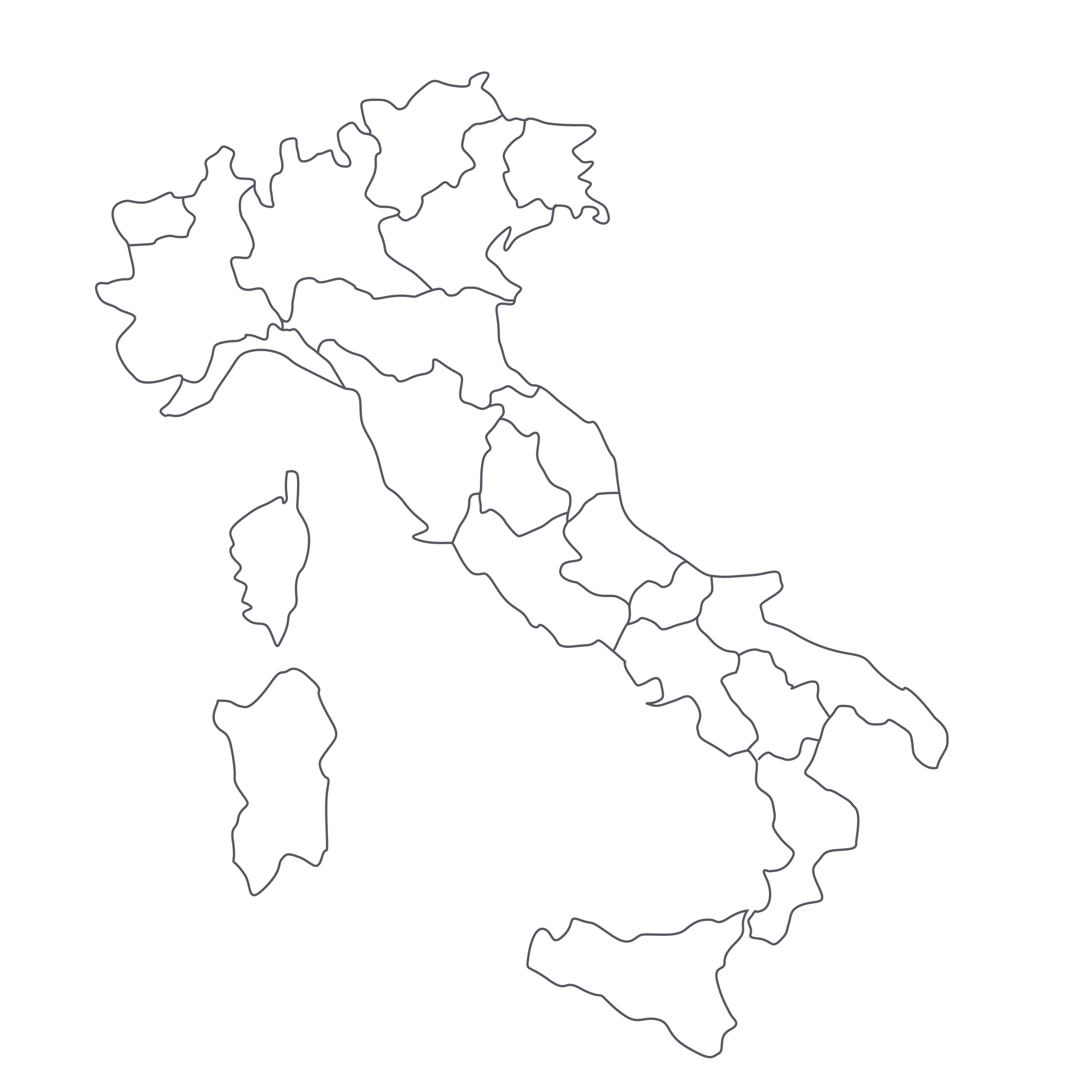
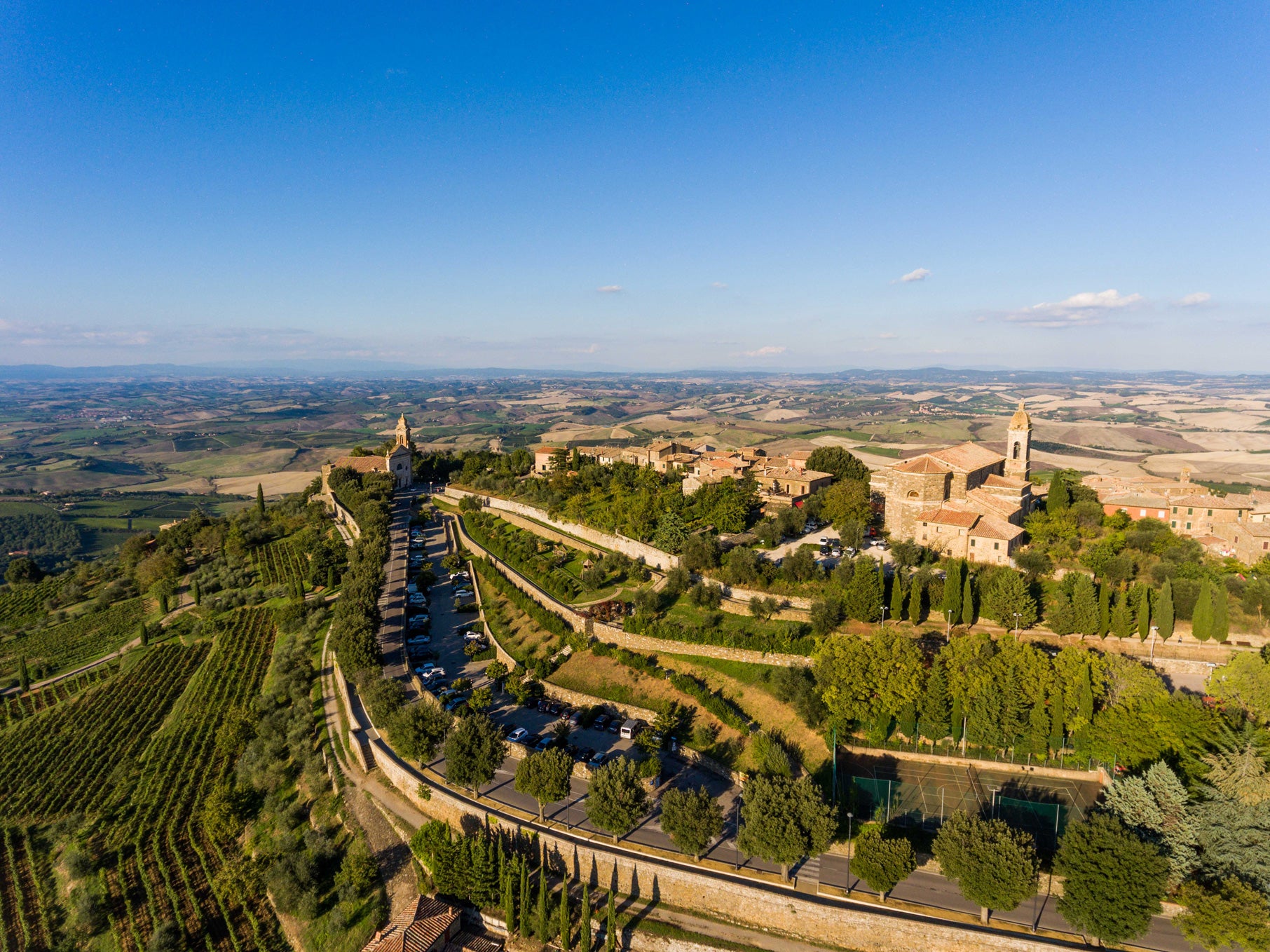
Il Molino di Sant’Antimo takes its name from a 13th-century water mill near the hamlet of Castelnuovo dell’Abate. Owner Carlo Vittori first acquired the estate in the 1980s, lovingly restoring the mill (it is now a first-class inn) and planting vineyards on about 20 of the property’s 40 hectares, with the remainder comprised of olive groves and Mediterranean bush. The property is tucked in the southeast corner of the delimited Montalcino DOCG area, just down the street from the famed Poggio di Sotto estate. “Varco 84” is the name of Vittori’s oldest single vineyard, which sits at an elevation of 200-250 meters and faces southwest, with soils comprised mainly of the soil type referred to locally as galestro—a rocky, friable schist found throughout Montalcino.
“Varco 84” is fermented in large oak botti of 50-hectoliter capacity and aged in those vessels for a total of three years, with regular ‘rackings’ (decantation from one vessel to another, which removes sediment and oxygenates the juice) along the way. It then undergoes further aging in tank and bottle before release into the market, which in the case of this 2012 was the beginning of 2017. Although it is still a young wine, you can taste and feel Varco 84 starting to knit together: In the glass, it’s a deep, reflective dark garnet red moving to light garnet and orange at the rim, with a quintessential Sangiovese nose of ripe black cherry, crushed blackberries, orange rind, forest floor, cedar, tobacco leaf, leather, warm spices, and a subtle, lingering smokiness that is a varietal hallmark. Nearly full-bodied and showing off quite fine-grained (yet firm) tannins, this has both power and focus on the palate—a rich wave of dark, wild-berry fruit framed by mineral savor, a touch of oak spice, and an enlivening jolt of Sangiovese acidity. It falls in that elusive “drinkable now but seriously age-worthy” category that many of the world’s greatest reds manage to occupy: Decant a bottle or two soon, about an hour before service, and enjoy it slowly at 60-65 in Bordeaux stems, then try to keep your hands off the rest for a few years. In about 5 years’ time, this wine will really start singing in full voice, and continue to do so long afterward. It really is the real deal and perfectly suited to the season(s) ahead: I almost always turn to something beefy with Barolo, and the attached recipe for an old-school peposo looks promising. Once the weather turns cold, I’m doing it! Cheers!