We are back in Italy with SommSelect’s David Lynch, this time in Friuli-Venezia Giulia, a white wine haven in the country’s northeastern-most corner:
Here’s something I’ve learned in the few months I’ve been at SommSelect: Despite its demonstrated excellence, Italian white wine is still kind of a tough sell in the US. There’s a persistent, wrongheaded view that many Italian whites are same-tasting, regardless of grape variety or region of origin, and some would say Italy is too hot to make great white wine, anyway. I obviously don’t share that view, and while I’ll concede that there isn’t (yet) a critical mass of Italian whites I’d consider laying down for 20 years, there’s plenty of “great” white wine coming out of Italy, from distinctive indigenous grapes, at attractive prices. At the top of this list, for me, is Friulano—the signature grape variety of Friuli-Venezia Giulia, in Italy’s northeastern corner. I’ve spent the better part of 20 years studying this grape and its wines, and of course I’m not alone in trumpeting the world-class quality of Friulian whites (my old boss and friend Joe Bastianich was one of the first to bang that drum, as was Master Sommelier Bobby Stuckey, who has made a career of it). Whether you’re new to Friulano or an established believer, you need to try the 2014 “Galea” from the Zanusso family’s I Clivi estate. This is a single-vineyard, old-vine selection of Friulano that invites comparisons to a number of great white wines from around the world. It is a great white wine in its own right, one of many Friulian gems I hope to offer here at SommSelect.
A few more words for those new to Friulano. If you like richer styles of Grüner Veltliner, you’ll like Friulano. If you like Rías Baixas Albarino, you’ll like Friulano. Same goes for Alsace Pinot Gris. When introducing people to Friulano over the years, it has always helped to provide some ‘comps,’ and these are a few that come to mind. There’s a lot of texture, minerality, and backbone to Friulano, along with a hint of the exotic in the aromas, and it is best when it is un-oaked (as in this example from I Clivi).
A few words also about the variety’s history: It was long known as ‘Tocai Friulano,’ which led many to believe that it was related to the Furmint grape of Hungary’s Tokaji wine region. Meanwhile, producers in Alsace called Pinot Gris ‘Tokay d’Alsace’ and Australians made ‘Tokay’ dessert wines from Muscadelle. This muddle was resolved, finally, in 2008, when Hungary was granted sole use of the name, because it is a ‘place’ name there, attached to their famed golden nectars from the region. Since then, Friulians have bottled wines from the grape as just ‘Friulano’—not a bad name, really, as it is the signature white grape of the region.
As ampelographers have now figured out via DNA research, Friulano is a distant relative of Sauvignon Blanc known as Sauvignonasse, or Sauvignon Vert (‘green’ Sauvignon). While there are occasions when some producers’ Friulanos skew toward Sauvignon Blanc in style, it is only in the subtlest of ways and is rather rare. Name notwithstanding, the best Friulanos are not especially ‘green,’ either in color (they typically have a more silvery cast) or in flavor (there’s much less, if none, of the pyrazine/herbal influence that characterizes Sauvignon Blanc). Friulano is typically more richly textured and lower in acidity than Sauvignon Blanc as well.
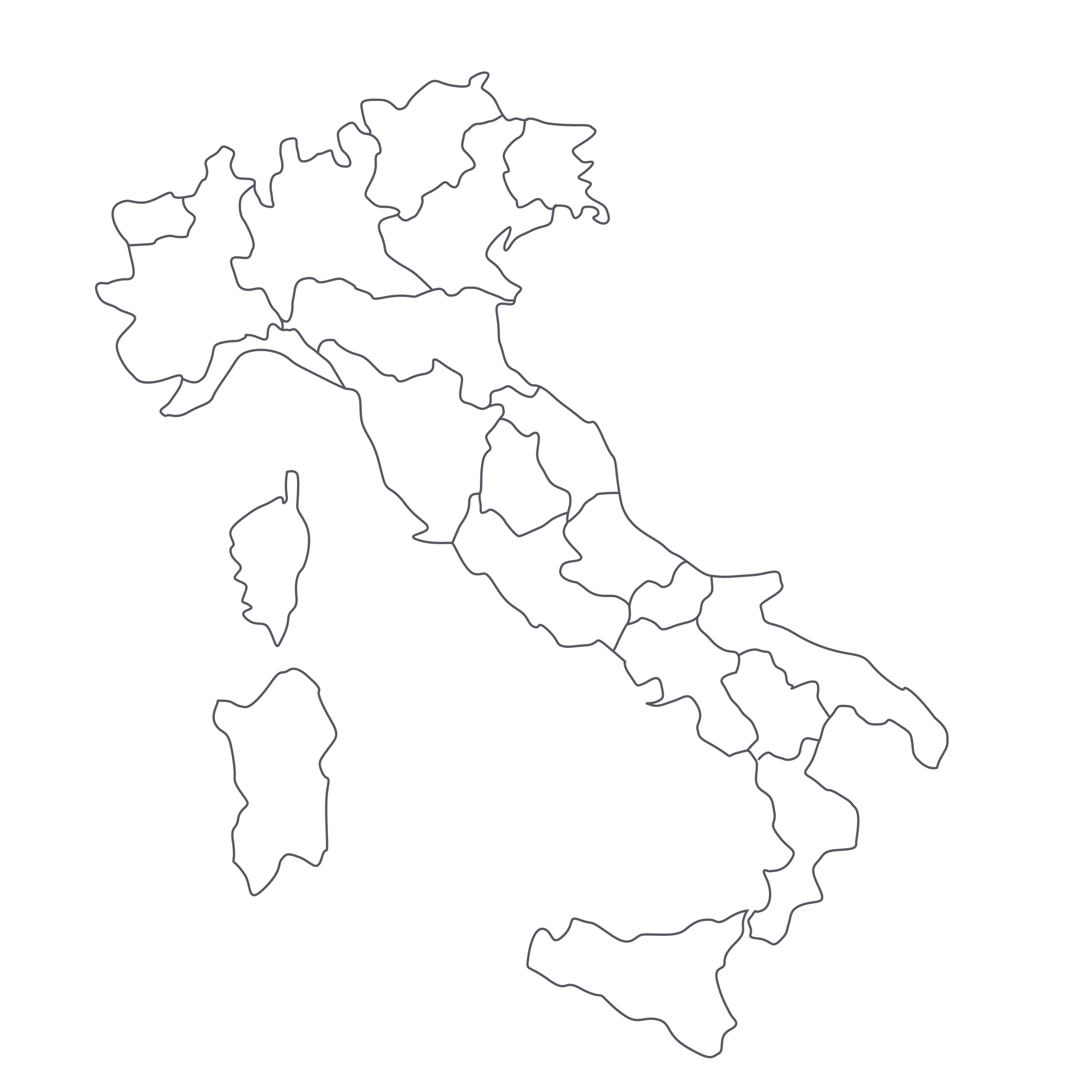
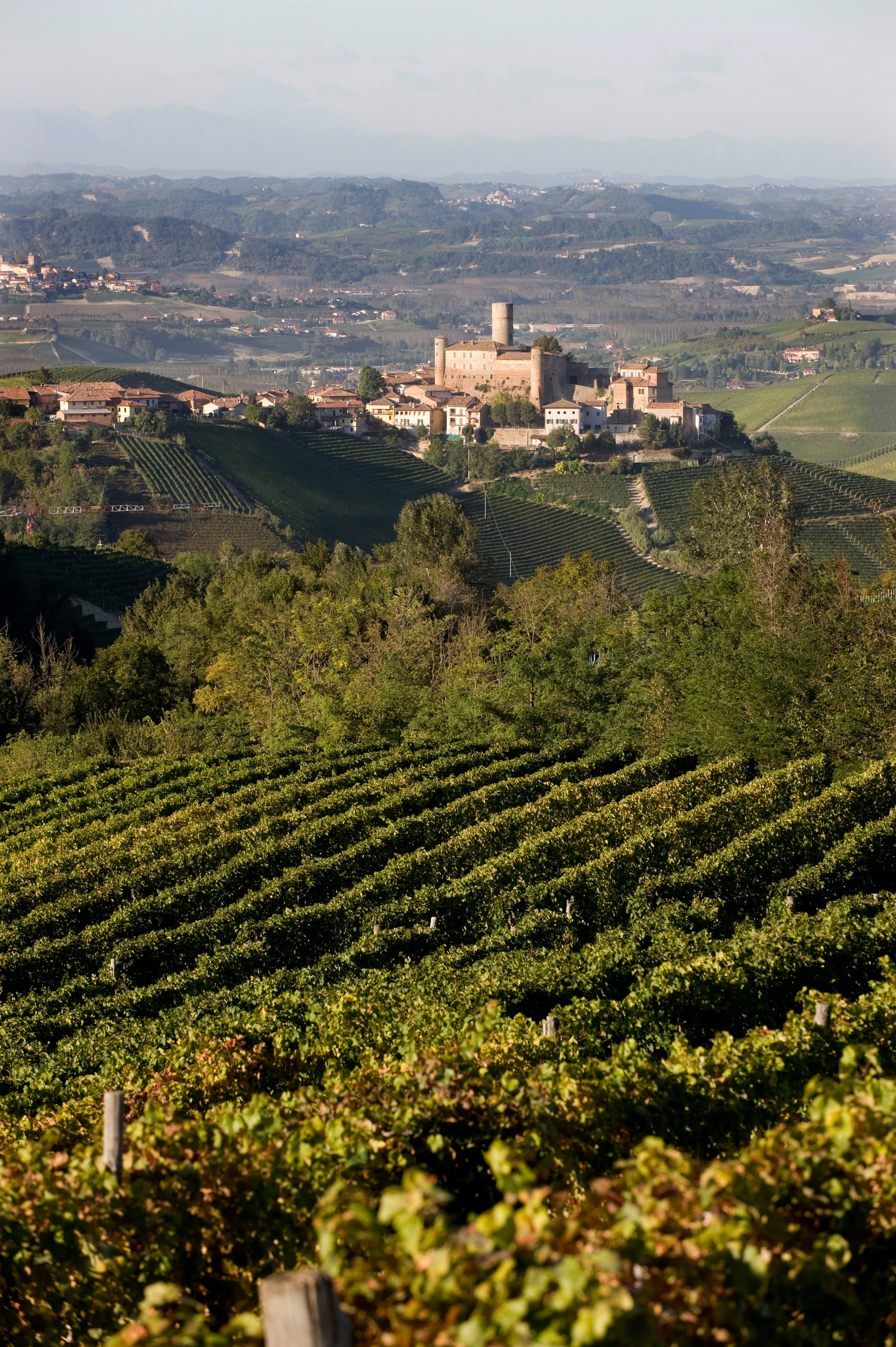
The I Clivi estate is headquartered in the commune of Corno di Rosazzo, which, like all of the best Friulian wine villages, is quite close to Italy’s border with Slovenia—a rather arbitrary border that was drawn in the wake of World War II, which gave the city of Trieste to Italy and effectively subdivided a historic wine zone. Situated in the shadow of the Carnic Alps but also within eyeshot of the Adriatic Sea to the south, wine zones such as Colli Orientali del Friuli (“Eastern Hills of Friuli”) and Collio see an interplay of Alpine/Adriatic air that leads to dramatic diurnal temperature shifts, prolonging the growing season. The soils are a mix of limestone-infused marl and sandstone, which helps limit vigor and preserve acidity in the grapes.
I Clivi’s “Galea” is one of two cru, or single-vineyard, wines the estate releases to showcase its best old-vine Friulano. The Galea vineyard is a small, southeast-facing plot of 70-year-old Friulano in Corno di Rosazzo, in the Colli Orientali del Friuli DOC, and the wine produced from it is aged on its fine lees for 24 months in stainless steel tanks. The result is a clear, unadulterated expression of this beguiling grape: an aromatic, mineral, textured white wine of singular character. Only about 3,000 bottles of Galea are produced each vintage, so we were lucky to secure a fairly healthy allocation.
In the glass the 2014 Galea is a pale straw-gold with silvery-green reflections at the rim. The aromatics show a creamy, bread-dough note from the long lees aging, after which characteristic notes of apricot, kumquat, white flowers, wet stones and a hint of nutmeg show through. It is impeccably balanced, with some pleasing viscosity on the palate balanced by fresh acidity and a stony, savory mineral component. I have tried long-aged versions of both this wine and its sibling “Brazan” (sourced from a different single vineyard in neighboring Collio), and I can attest to their capacity for aging (this owes in large part to that extended lees aging, which has proved a boon for the longevity of white wines). Traditionally, Friulano is the wine the local
osteria serves you alongside a plate of Friuli’s Prosciutto di San Daniele, and while I’d hardly object to enjoying this wine that way, I’m going to share one of my favorite Friulian
recipes to showcase “Galea.” I warn you: it is a ‘project’ recipe, but one that is well worth the effort. Whether or not you tackle it, I know you’ll be blown away by this wine. And there’ll be more to come!
— David Lynch