Today’s wine made me wish I still owned a restaurant, because it would make a fantastic restaurant wine—it’s the perfect combination of well-aged and reasonably priced. It isn’t feasible for most restaurants to age wine, so when the winery does it for you, it’s a godsend. As for the wine lovers out there who don’t maintain cellars but who’d love to experience an elite aged red from one of the world’s noblest grapes, today’s offer might as well have a bow on it.
Named for its creators, Simone and Leonardo Abram of Montepulciano’s Il Macchione, today’s 2009 Vino Nobile goes way beyond riserva and into uncharted territory, having spent some nine years in barrel and bottle before its release. Rather than predict when this wine will hit its prime drinking window, I can report that it is already in it and poised for many more years of splendor before that window closes. And what is that “sweet spot” anyway? It’s when the wine’s primary fruit character gives way to savory, ‘secondary’ notes of leather, tobacco, and dried flowers. It’s when the tannins have softened but not disappeared, so that the wine’s impact on the palate is enveloping and lingering, rather than brutish and short. It’s a wine experience everyone craves but can’t always afford—and if this wine said “Montalcino” on it instead of “Montepulciano,” it’d likely cost a lot more. If this were a restaurant, I’d bring this wine over, pour you a taste, and no further conversation would be necessary; as it is, you’ll have to take my word for it. I hope you do!
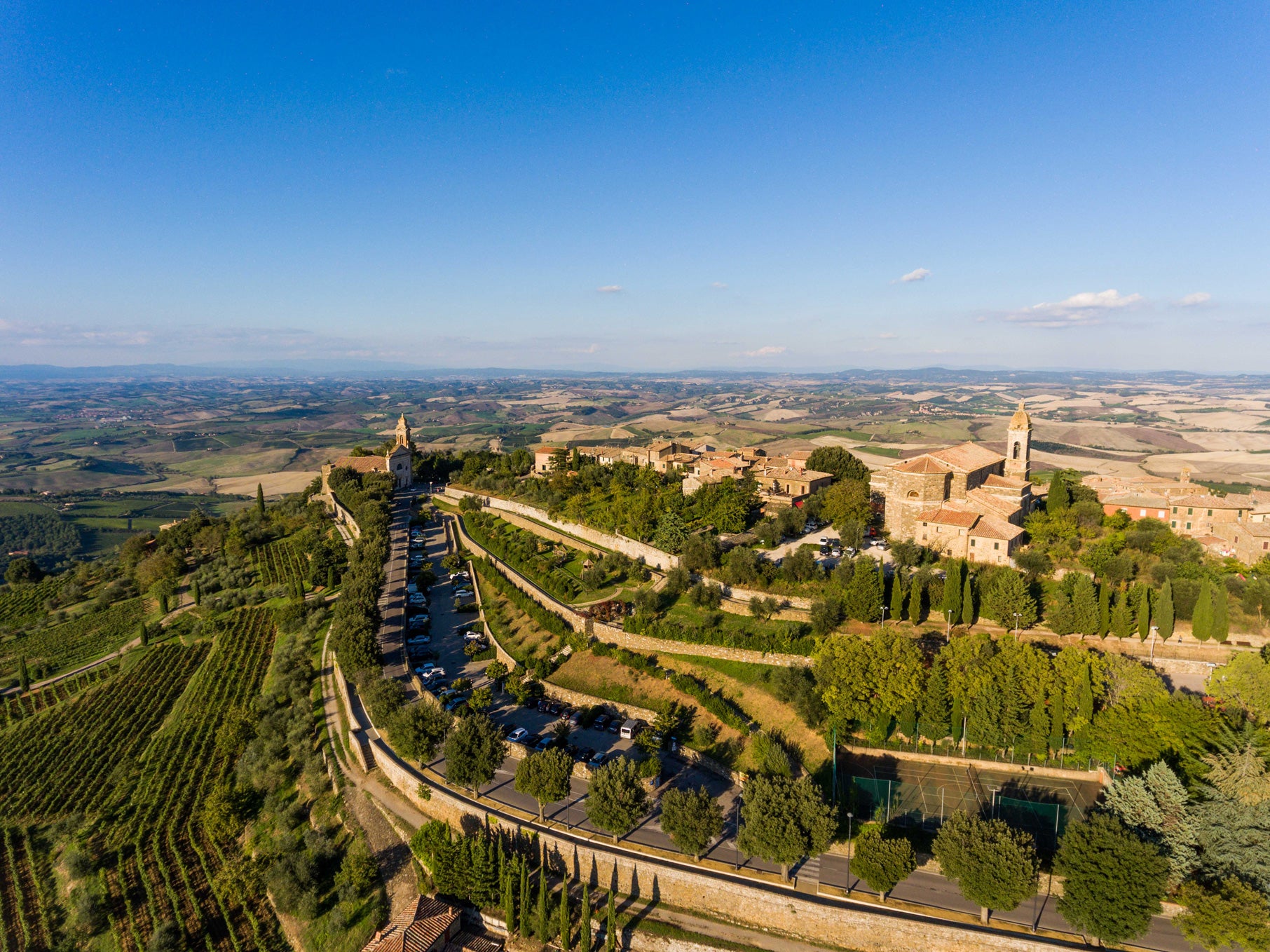
Brothers Simone and Leonardo Abram, natives of Trentino, purchased Il Macchione in 2007, continuing the work of previous proprietor Robert Kengelbacher, who’d been quietly turning out some of Montepulciano’s best wines since the 1980s. The Abram brothers have not only transitioned the entire farm to biodynamic viticulture but ripped up anything that wasn’t Sangiovese. At altitudes of about 350 meters in Montepulciano’s fossil-rich, sandstone-strewn Caggiole Valley, the Abrams are fanatical in their vineyard management, capturing not just Sangiovese’s perfume but its power. They make just two wines: their Vino Nobile normale, aged about 30 months’ total in a mix of cooperage (much longer than the law prescribes), and a riserva, which ages in wood a good 40 months before bottling.
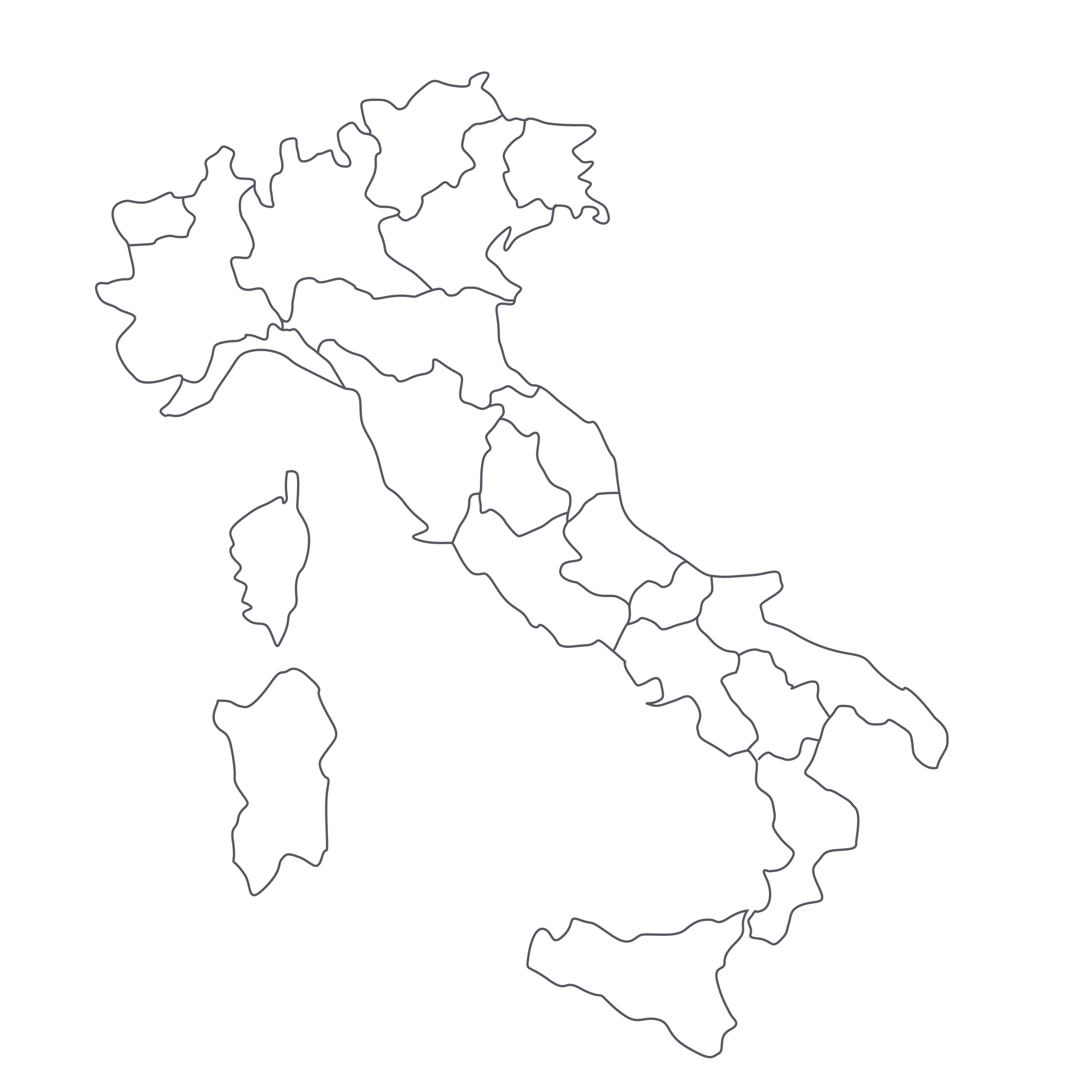
I tend to assess Vino Nobile di Montepulciano wines on a case-by-case basis, since some of them bear a closer resemblance to wines from Chianti Classico, which sits to the north, while others perform like Brunellos from Montalcino, which is almost due west (and closer to the Mediterranean). The Il Macchione lineup has always skewed ‘Brunello-esque” for me, and “SiLeo” even more so: For me, this is as good or better than any aged Brunello I’ve had in recent memory. According to the Abram brothers, SiLeo is a single lot of wine from a higher-altitude vineyard parcel on their property, which was destined to become part of their 2009 Riserva bottling. As they tasted the wine from barrel, however—it was aging in a once-used, 2,500-liter French oak cask—they noticed it had an extra gear, and that it was maturing more slowly than other lots. So, they decided not to blend it, and left it to its own devices, eventually leaving it in cask for more than four years before transferring it to concrete tanks, then bottles, for further maturation. Only this year did the wine make it into its importer’s hands, and subsequently our—and what a revelation it is!
In the glass, the 2009 SiLeo has made the transition to a more garnet-red color with flecks of amber and orange at the rim. The aromas are heady and profound, with brambly black cherry, red plum, fig, and orange peel notes sharing the bill with cedar, leather, tobacco, vanilla, and lots of damp leaves and smoky underbrush. It is a full-bodied style that still needs some air to integrate (I’d say decant it for an hour if consuming now), and as these tannins soften further this is really going to be an evocative and memorable glass of wine. There’s power and persistence to spare and plenty of freshness keeping it from feeling heavy—essentially the same profile I find in the best Brunello di Montalcino wines. My suggestion would be to try one now at 60-65 degrees in Burgundy stems, ideally with a grilled ribeye or other beef-centric dish, with which it promises to shine bright. I’m very curious to see what it becomes with 3-5 years further aging, but I can’t guarantee I’ll wait that long—it’s not often you get a chance to drink a decade-old wine in perfect condition at this price, so really, why wait? Give it some time to rest after receiving it, then let it rip—nothing like instant gratification. Enjoy!