Placeholder Image

Domaine de la Bergerie, Anjou Rouge “La Cerisaie”

Loire Valley, France 2017 (750mL)
Regular price$20.00
/
Shipping calculated at checkout.
Your cart is empty.
  • Free Shipping on Orders Over $375
  • In stock, ready to ship
Fruit
Earth
Body
Tannin
Acid
Alcohol

Domaine de la Bergerie, Anjou Rouge “La Cerisaie”

In a run of excellent luck, we’ve tasted several wines recently that completely shatter expectations of what a $20 bottle of wine can be. This is one of them. I can’t say that I’m surprised, given how many delicious Loire Valley reds roll through here, but Domaine de la Bergerie’s Anjou Rouge really stands out.
That such a spot-on rendition of floral, berry-fruited Cabernet Franc comes from Anjou and not one of the Loire’s signature appellations for the variety—Chinon, perhaps, or Saumur-Champigny—is noteworthy, and it also helps explain the unbelievable price. Most Anjou reds complement Cabernet Franc with other grapes, including Gamay, Pineau d’Aunis, and Cabernet Sauvignon, but this one is pure Franc and pure joy—a seamless mix of shiny berry flavors, spring flowers, and the right amount of peppery, dusty earth. As is typical of many producers in the Anjou, the Guégniard family of Domaine de la Bergerie does a little bit of everything, and does all of it well—from sweet, botrytis-affected Côteaux du Layon sweet wines; to dry and sparkling Chenin Blancs; to this transcendent 100% Cabernet Franc red. “La Cerisaie” means “cherry orchard,” an apt name if ever there was one—it and the scarlet-colored label are the perfect harbingers of the plummy, woodsy wine inside.
Domaine de la Bergerie’s 36 hectares of vineyards are planted in the black schist soils of Anjou in the town of Champ-sur-Layon. In 1979, Yves Guégniard joined his parents in the family business, slowly moving the needle from humble wine farm to serious wine estate, acquiring supreme Chenin Blanc parcels in Savennières and the Grand Cru of Quarts de Chaume. The Guégniards have garnered wide acclaim for precision-crafted Chenin Blanc in all its forms, but the reds are hardly an afterthought. Since 2016, the entire Domaine de la Bergerie is “Agriculture Biologique” (certified organic), supported by the efforts of Yves’ daughters, Anne and Marie who, like magnets, were drawn back home to their winemaking roots in Anjou. 

The red grapes grow on warmer, heat-retaining schist soils mixed with silica and clay. Today’s wine, La Cerisaie, is Cabernet Franc from a single parcel in Champ-sur-Layon, fermented and aged in stainless steel only and brimming with freshness, floral aromatics, and life. There’s a combination of dark-fruited depth and utter ebullience that just makes you smile: In the glass, it’s a deep ruby with scarlet and purple reflections, with a farmer’s basket of black cherries, red-fleshy plums, blackberries, and red currants. It’s fruit first on the nose, but slowly the earthy notes unfold, with notes of black pepper, iron ore, and sweet green leaves. The wine is supple, gentle over the palate, not aggressive, fresh with dried pink flowers, a little peppery spice, and juicy-tart. It is harmonious right out of the bottle but has enough structure for short-term aging, perhaps 3-5 years, though it’s not likely to last long once you’ve tried a bottle: Decant it about 30 minutes before serving on the cool side of 60-65 degrees and serve it next to burgers, steak, roast pork, or even as a mouthwatering apéritif red with cured meats and cheese. Although it is not yet time for outdoor barbecue, I could see this wine playing a starring role in that scenario, next to a grilled skirt steak topped with lots of cracked black pepper. Just be ready to open a second bottle—once you start on this one, it’s hard to stop!
Placeholder Image
Country
Region
Sub-Region
Soil
Farming
Blend
Alcohol
OAK
TEMP.
Glassware
Drinking
Decanting

France

Bourgogne

Beaujolais

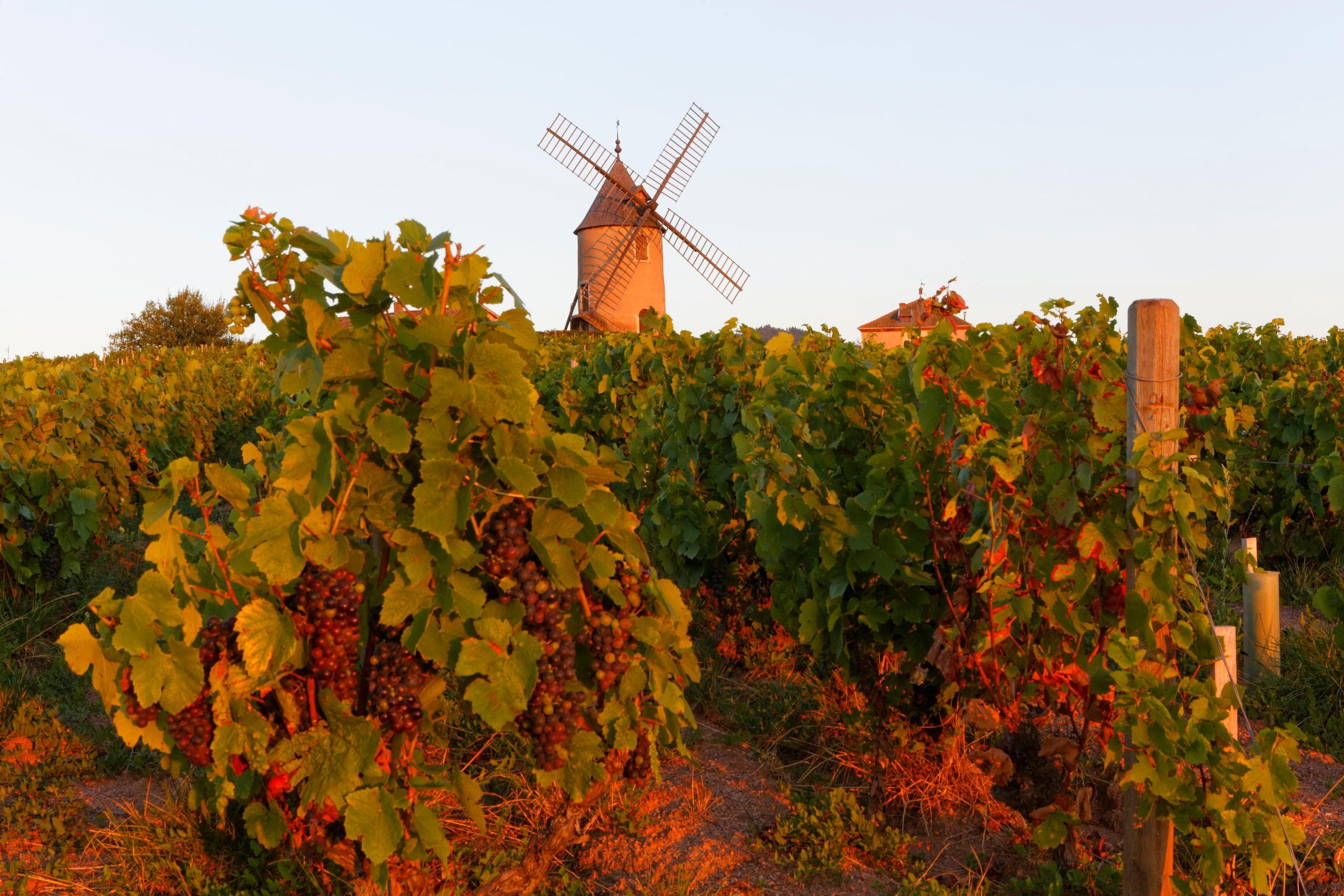
Enjoying the greatest wines of Beaujolais starts, as it usually does, with the lay of the land. In Beaujolais, 10 localities have been given their own AOC (Appellation of Controlled Origin) designation. They are: Saint Amour; Juliénas; Chénas; Moulin-à Vent; Fleurie; Chiroubles; Morgon; Régnié; Côte de Brouilly; and Brouilly.
Southwestern France

Bordeaux

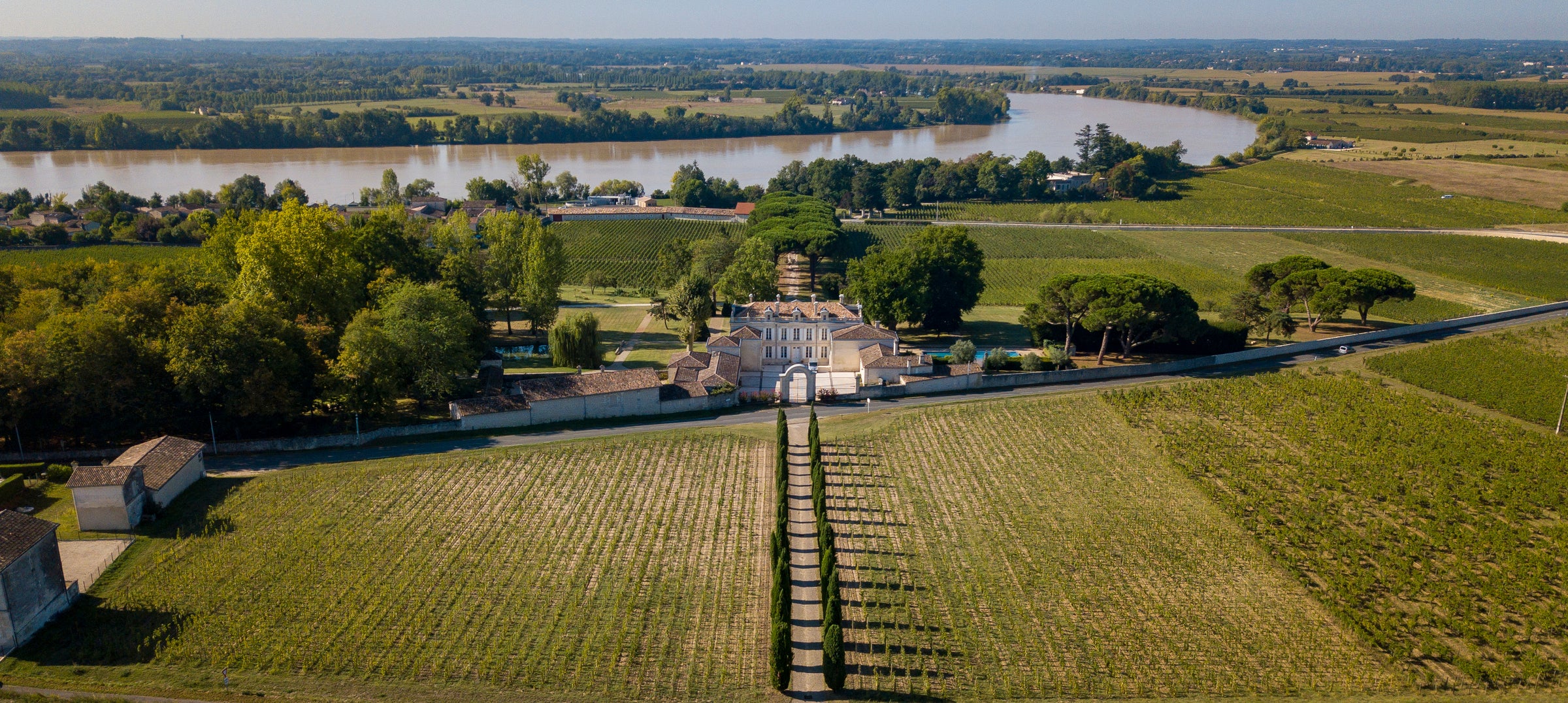
Bordeaux surrounds two rivers, the Dordogne and Garonne, which intersect north of the city of Bordeaux to form the Gironde Estuary, which empties into the Atlantic Ocean. The region is at the 45th parallel (California’s Napa Valley is at the38th), with a mild, Atlantic-influenced climate enabling the maturation of late-ripening varieties.
Central France

Loire Valley

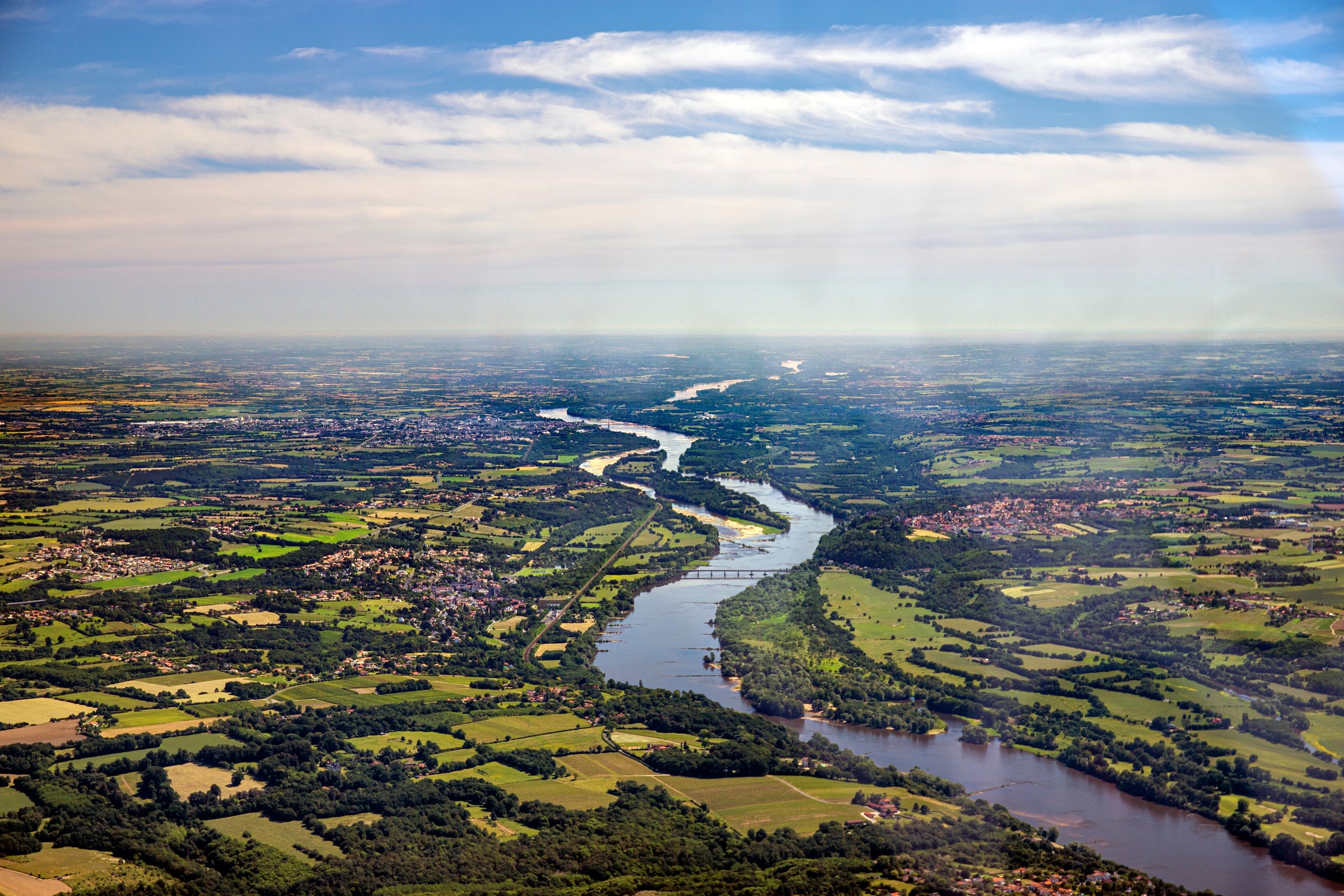
The Loire is France’s longest river (634 miles), originating in the southerly Cévennes Mountains, flowing north towards Paris, then curving westward and emptying into the Atlantic Ocean near Nantes. The Loire and its tributaries cover a huge swath of central France, with most of the wine appellations on an east-west stretch at47 degrees north (the same latitude as Burgundy).
Northeastern France

Alsace

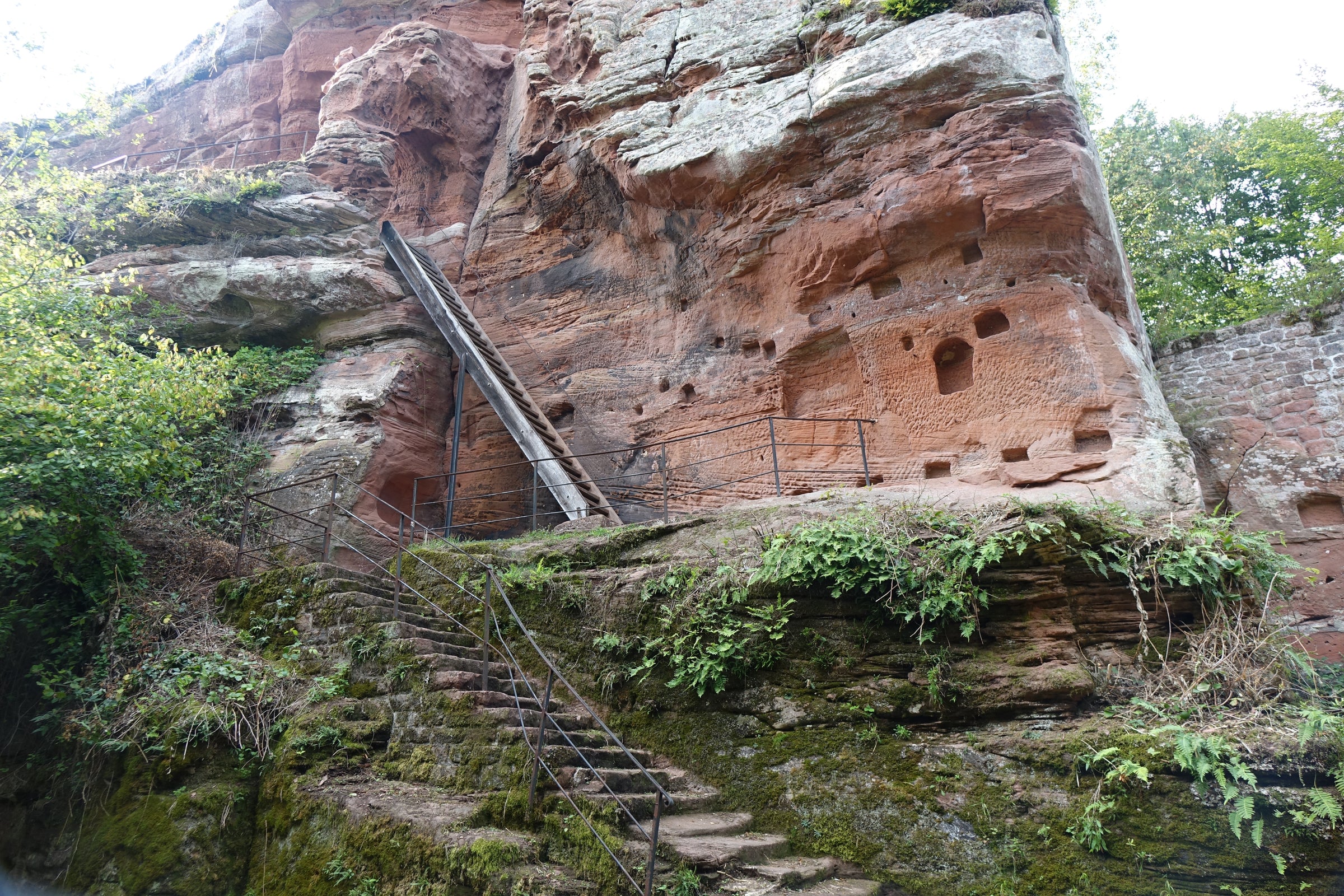
Alsace, in Northeastern France, is one of the most geologically diverse wine regions in the world, with vineyards running from the foothills of theVosges Mountains down to the Rhine River Valley below.

Others We Love