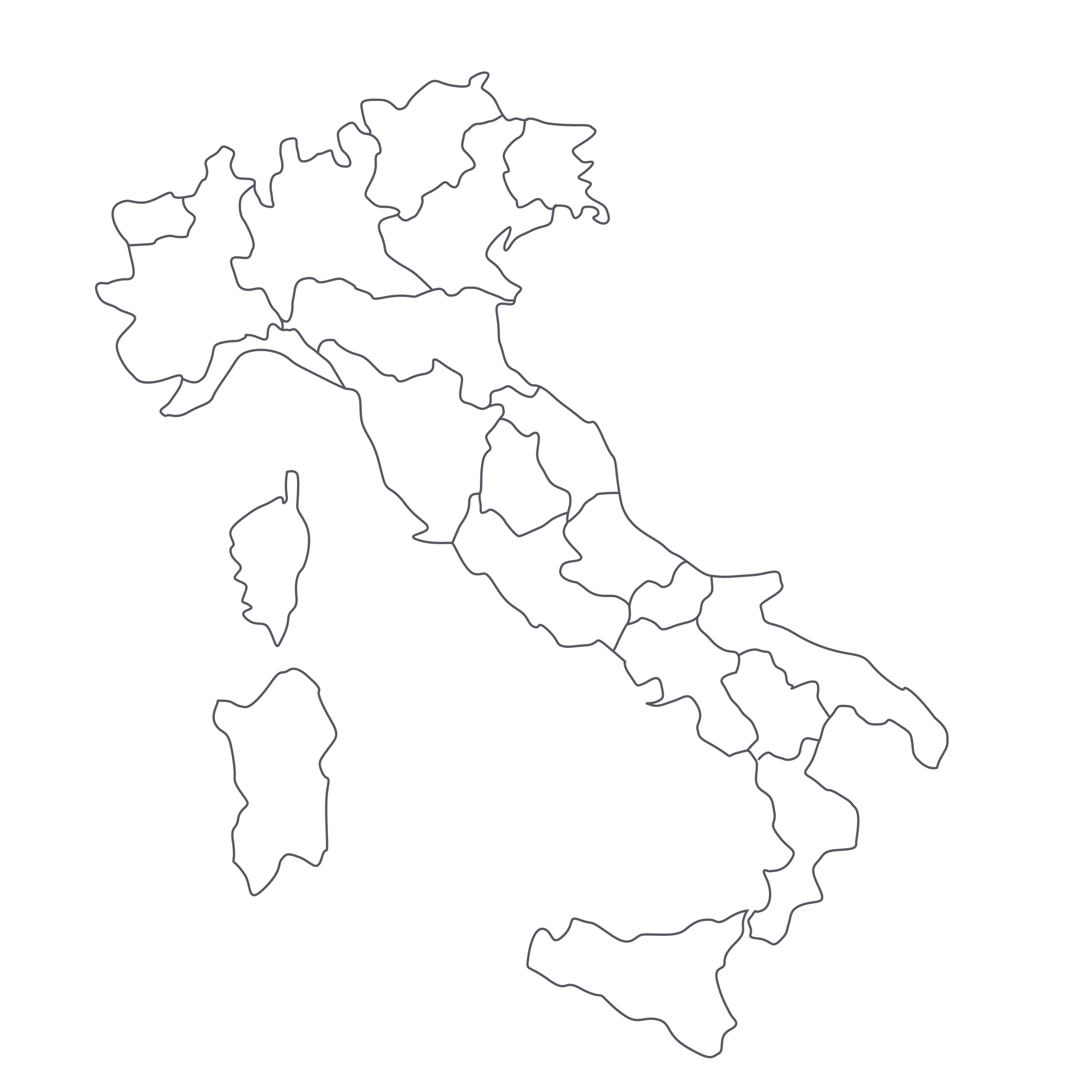
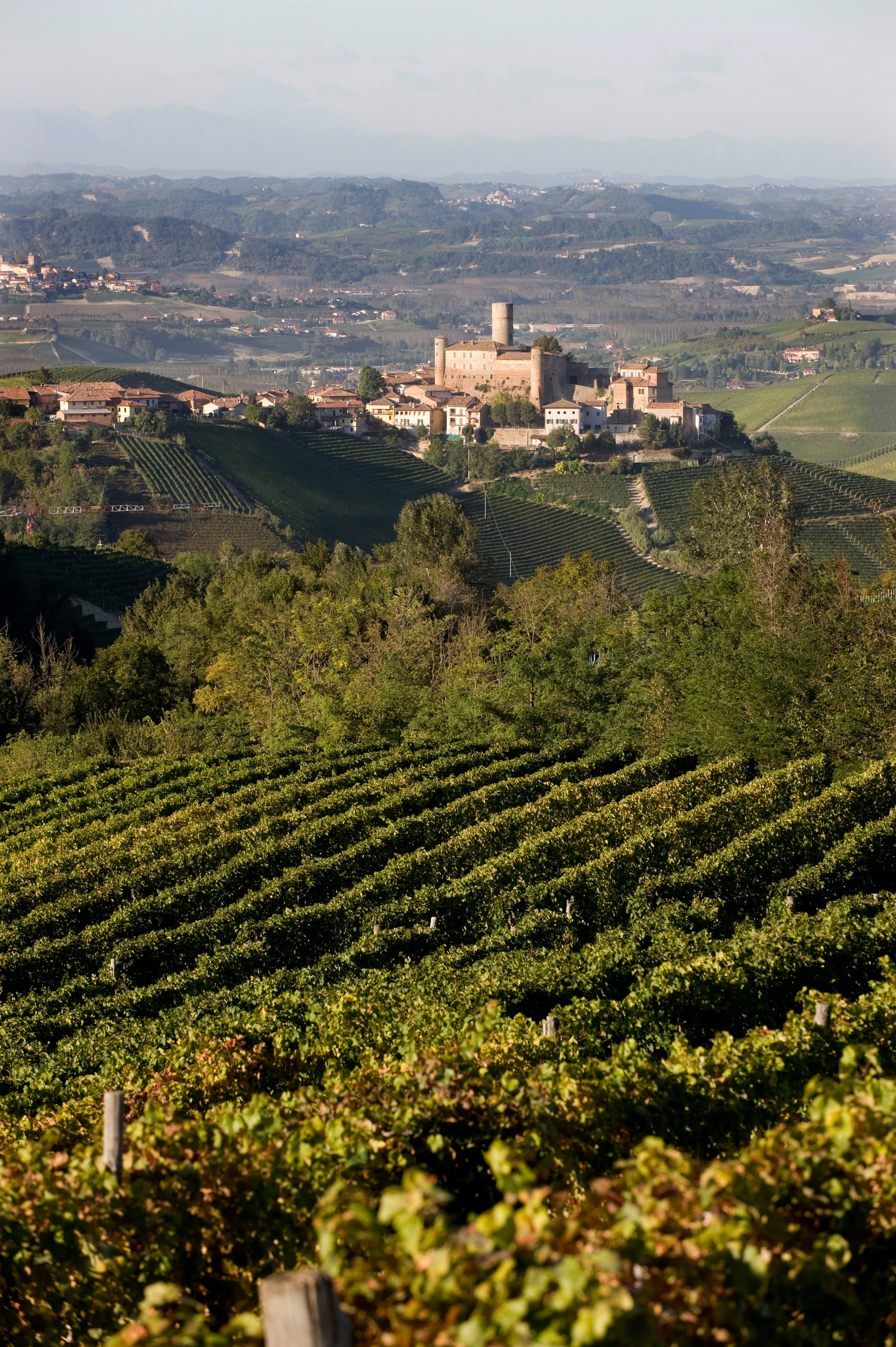
It’s been said, ad infinitum, that Barbaresco is the ‘queen’ to Barolo’s ‘king.’ With that in mind, here’s another Nebbiolo-based analogy we thought was pretty cute: Roero is the Casey Affleck to Barolo’s Ben. Situated just north of Barolo on the ‘left bank’ of the Tánaro River (and closer to Barolo than Barbaresco), Roero has long been the overlooked, even ignored, little brother.
And yet, while it may never attain Barolo’s star power, might it quietly be just as good? Even better sometimes? Matteo Correggia’s 2011 “Ròche d’Ampsèj” Roero Riserva is indisputable proof that Roero Nebbiolo can be just as serious—and sexy—as anything grown in Barolo. With a touch of bottle age under its belt and an attractive price to boot, this is a can’t-miss Piedmontese classic to drink now or lay down (or both).
Matteo Correggia was a young star in Piedmont who inherited his family’s vineyard estate in 1985, at the age of 23. He attracted plenty of attention in neighboring Barolo and beyond for his inspired Roero wines, and when he was tragically killed in a tractor accident in 2001, the community rallied around his family; La Spinetta’s Giorgio Rivetti was among those who stepped in to help Matteo’s widow, Ornella, not only complete the 2001 harvest but prepare for the future. In the intervening years she has proved herself more than up to the task, maintaining the estate’s reputation as a Roero benchmark.
Despite essentially bordering Barolo, the Roero zone is geologically ‘younger’ than Barolo. Its soils are sandier marine sediments (as opposed to the marl and sandstone of Barolo) and its topography is slightly more open and rolling than Barolo’s. Roero’s soils have proved especially conducive to the development of aromatics in the famously perfumed Nebbiolo, while also producing wines a shade less tannic than their Barolo neighbors (another reason for this is that minimum aging requirements for Roero reds, particularly the time spent in wood barrels, are considerably shorter).
Traditionally, some Roero producers added a touch (2%-5%) of the aromatic white Arneis to their reds, à la Côte-Rôtie, to add lift, but today the Roero DOCG regulations prohibit that practice. “Ròche d’Ampsèj” is the name of Correggia’s most prized vineyard site, which, it should be noted, is perhaps his most Barolo-like in terms of soil composition, with a layer of clay and marl under Roero sand. The vines are now 50-plus years old, yielding intensely concentrated Nebbiolo that is fermented in steel then aged in 100% new French oak barriques for 18 months. It then spends two years resting in bottle before release.
The 2011 definitely skews toward the ‘modern’ end of the Nebbiolo spectrum, although its lengthy bottle aging before release has nicely integrated the wood flavors. In the glass it is that classic Nebbiolo ruby-red with some slight bricking at the rim, though, as with most barrique-aged Nebbiolo, its color is a little deeper than more Old School styles. There’s no mistaking its woodsy, smoky ‘Nebbiolo-ness’ on the nose, the perfume a powerful melding of lush black fruit, roses, tar, coffee grounds, leather and the dusty char of a well-grilled steak. As pretty as it is on the nose, it is no shrinking violet on the palate, unleashing a torrent of fruit extract and gripping, almost steely, tannins. I wouldn’t hesitate to throw it in a blind tasting alongside some benchmark Barolos, nor will I hesitate to crack a bottle on a chilly day this winter, alongside a rich,
meaty pasta sauce like the one in the attached recipe. While I can see it aging beautifully for 5 to 10 years to come, it also comes explosively to life after about an hour in a decanter. Serve it at around 60 degrees, to keep its alcohol/tannin in check, and swirl it well in some nice, big Burgundy stems. Its room-filling perfume and long, aromatic finish will keep you intrigued from the first sip to the last.