The hunt for great wine takes us to amazing, remote places we might not have otherwise explored. Mount Etna, in Sicily, is one such place. Galicia, a.k.a. “Green Spain,” is another. And you’d be hard-pressed to find a wine professional today who hasn’t discovered the Jura, in eastern France, whose rolling, mountainous terrain on the border with Switzerland is a wine-geek hot spot.
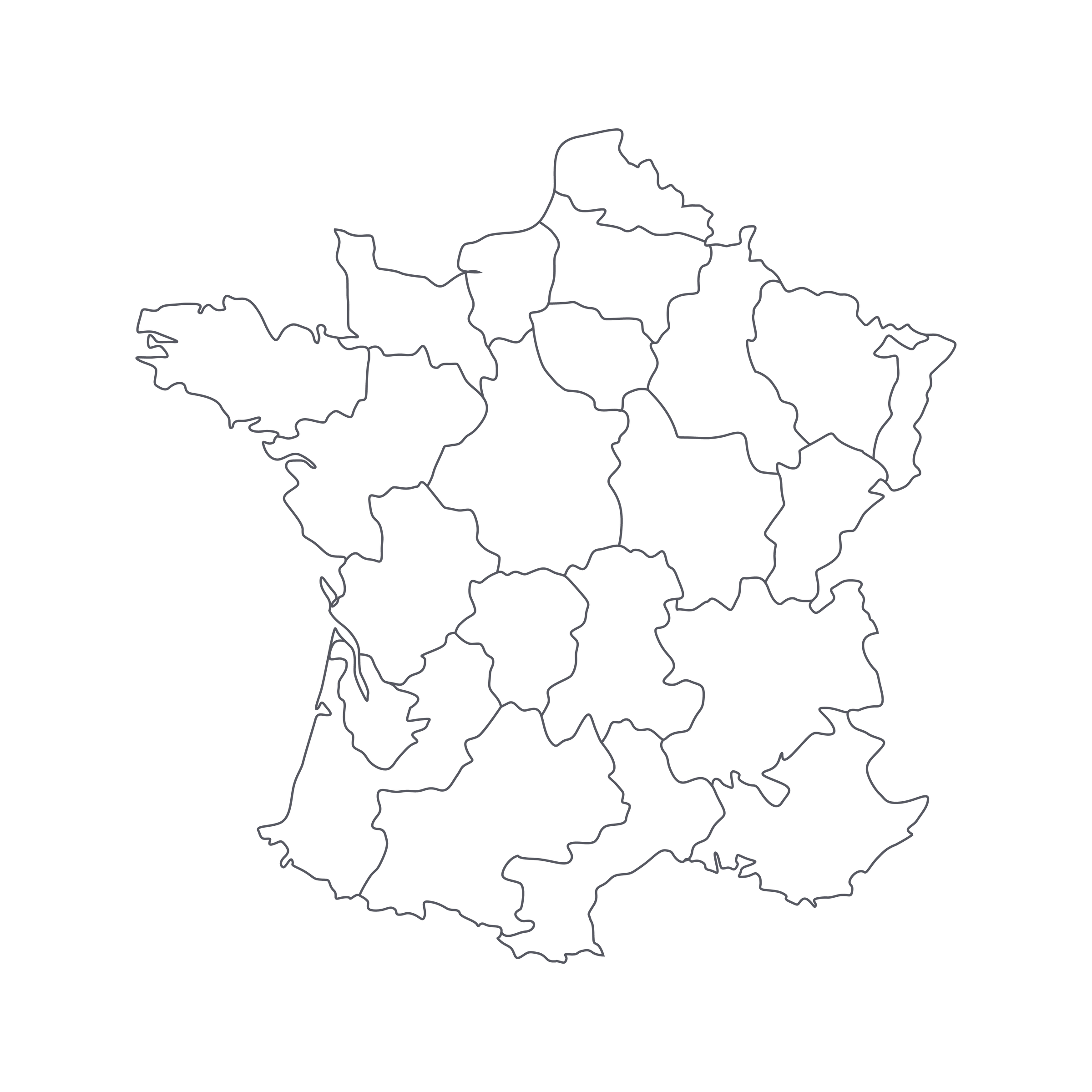
A fairly remote, lake-dotted area once known for oxidized, Sherry-style curiosities aged for extended periods in barrel, the Jura – just 100 kilometers from the heart of Burgundy, and with a similarly limestone-rich soil structure – has seen an explosion of recognition for its more straightforward white and red wines, which includes eye-opening Chardonnay and Pinot Noir. From the Jura appellation of Arbois, this wine demonstrates why consumers (and winemakers in search of more affordable land) are flocking to the region: it is an unmistakably great terroir, just one that happens to be under-priced in the hierarchy of French wine real estate. Take advantage of it, because Chardonnay like this does not come around very often!
The Jura owes its trendiness to more than just its quaintness and relative isolation; this is a cool, “continental” region named for its position in the Jura mountains, which separate the Franche-Comté départment from Switzerland. Soils are primarily composed of the Jurassic limestone that gave the region its name, another similarity with its neighbor Burgundy to the west. At one time, the Jura produced as much wine as Burgundy, but phylloxera and two World Wars conspired to reduce the vineyard acreage there substantially. Today, there’s no question that this one-time backwater is enjoying a revival.
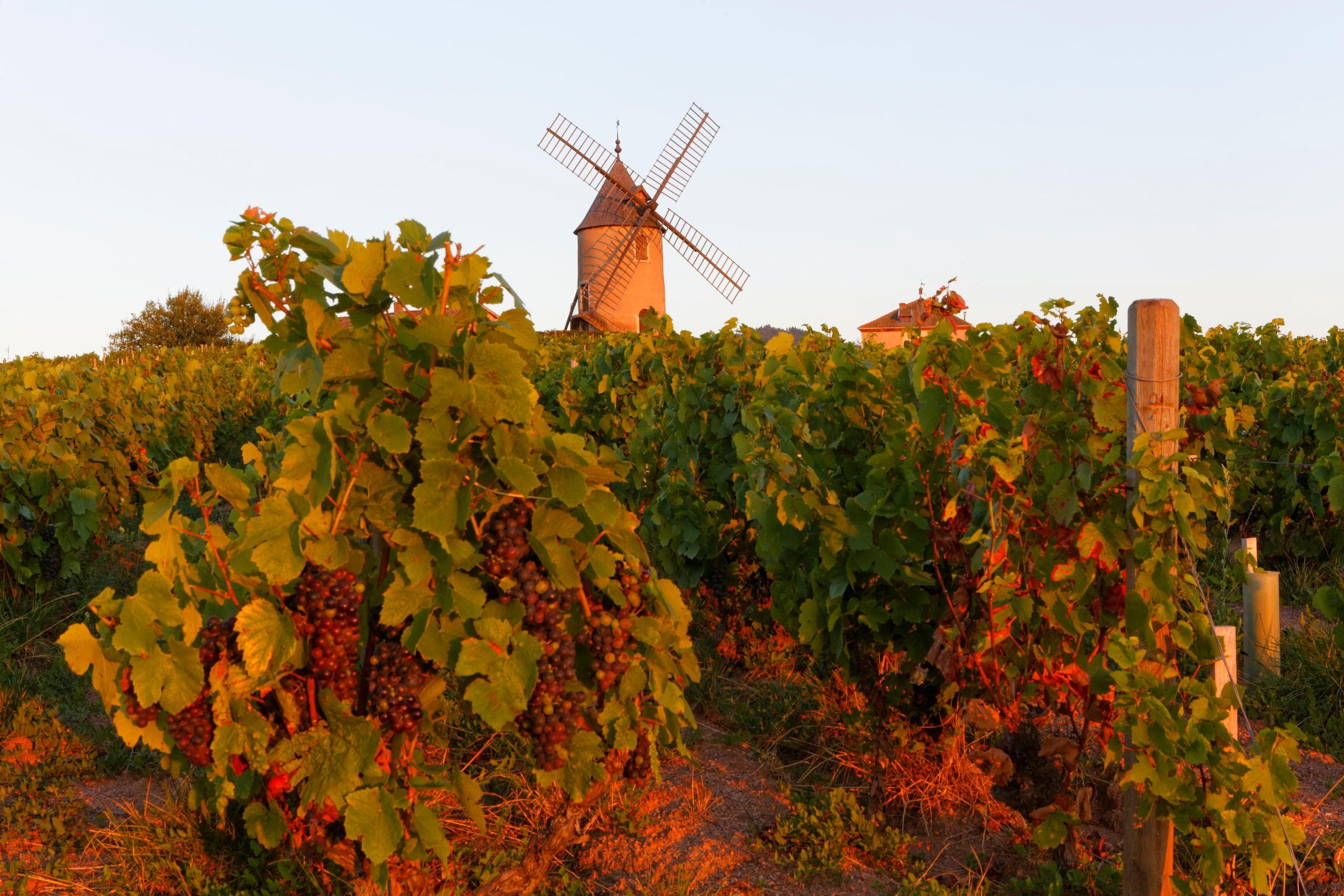
Jean Rijckaert exemplifies this renewed interest in the Jura’s potential. A longtime winemaker for a négociant producer in Burgundy’s Mâcon, Rijckaert formed his own domaine in 1998 – purchasing not only some choice sites in the Mâcon but even more vineyard land in his new love, the Jura. His Jura wines, from the Arbois and Côtes de Jura appellations, stand side-by-side with his rather vast Burgundy production, which includes wines from both estate-grown and purchased grapes.
Rijckaert’s story is rather like that of Guillaume D’Angerville, of Burgundy’s famed Marquis d’Angerville, who famously – and more recently – expanded his winemaking operations into the Jura, with his Domaine du Pelican. In both cases, the attraction was clear: the ability to make a truly great wine on much less expensive land, which for us means something truly transcendent in the price/value department.
This ’13 blew me away with its combination of richness and depth of flavor, and had I been tasting it blind I would have pegged it as village-level Meursault from a warm vintage (I poured it blind for two MS friends, both of whom placed it in Burgundy). Set on a solid foundation of oyster shell-type minerality, this is otherwise a quite full-bodied and textural Chardonnay, loaded with flavors of creamy pear, yellow apple, salted lemon and melted butter. Yes, I said buttery. Not toasty, not tropical, not “oaky.” Buttery like a savory pasta in browned butter. Buttery like a croissant, and yet lively, sinewy, and firm at the same time. That mix of opulence and austerity, that push-pull of acid and extract, is what makes people go crazy – and often spend a fortune – for white Burgundy. This Arbois delivers the same sensations for much, much less; it is the kind of wine sommeliers use to stump other sommeliers, or even winemakers (like Guillaume D’Angerville, whose blind taste of an Arbois in a restaurant many years ago inspired him to invest in the Jura).
This wine demands something suitably opulent to eat with it, like Chicken Fricassee, langoustines, or prawns, and yet its price point makes it a decadent choice for something quotidian
like these souped-up lobster rolls. Serve it at about 60 degrees in larger-sized Burgundy bowls, and don’t worry about decanting it – it opens up nicely with time in the glass, and this evolution is one of the joys of drinking it. Without exaggeration, it’s one of the best Chardonnays I’ve had in a long while, especially at this price. Enjoy!