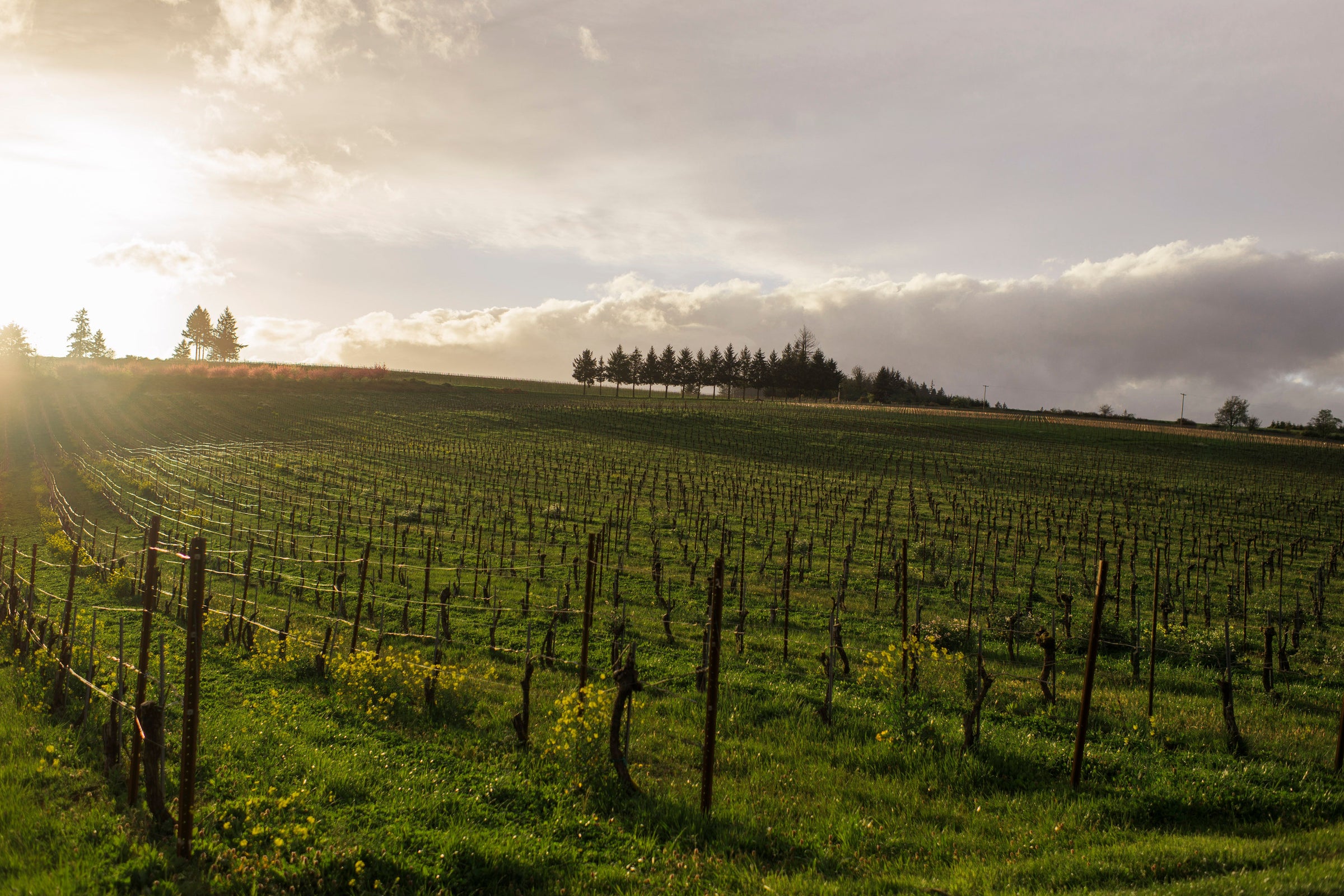
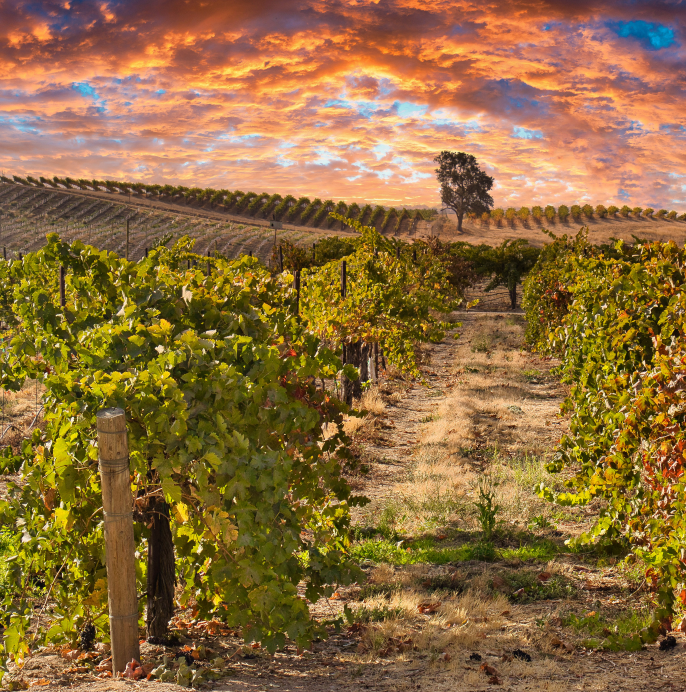
By any measure, Washington State wine—headlined by deep and velvety reds from Cabernet Sauvignon, the state’s most-planted red grape—has arrived. In the last 20 years, vineyard acreage in Washington has tripled, and, more notably, the number of wineries has ballooned from about 100 to more than 900. And yet there are still many wine lovers—including sommeliers—who have yet to seriously explore and appreciate Washington.
To their credit, the state’s vintners have done a great job attracting professional buyers to their annual “Road Trip” (inspired, perhaps, by the Willamette Valley’s similarly trade-focused “Oregon Pinot Camp”). I’ve been on that Road Trip (and to Pinot Camp, for that matter), and I’ve come to appreciate Columbia Valley Cabernet as a stylistic midpoint between Bordeaux and Napa; you get the ‘New World’ ripeness and supple tannins, along with the ‘Old World’ soil character that lends palpable savor. One of the most exciting additions to Washington’s ever-expanding wine scene is Gramercy Cellars, founded by Master Sommelier Greg Harrington and his wife, Pam, in 2005. Greg’s wines are impeccably made, but perhaps more importantly, impeccably sourced—his lineup reads like a “who’s who” of Eastern Washington viticulture, and as we dig deeper into the stories of these vineyards we gain a greater appreciation of Washington State’s importance as a terroir. This is no novelty act—Columbia Valley should be mentioned in the same breath as Napa Valley or Margaux when Cabernet is the topic, and today’s 2014 hints at both while maintaining an outlier’s price point. Cabernet drinkers: Get on this!
After passing the MS exam when he was just 26, Greg directed wine programs for a host of top restaurants, but his yen for winemaking grew stronger each year. He was drawn especially to Washington’s Walla Walla Valley, where he worked harvest in 2004 and established a foothold for Gramercy, which launched its first wines with the 2005 vintage. Vineyard-specific Syrahs and Bordeaux-inspired red blends have become the focus, and while Walla Walla in particular can produce reds of immense concentration, Greg seeks to moderate this by harvesting on the early side and using whole-cluster fermentation to give the wines some “cut.”
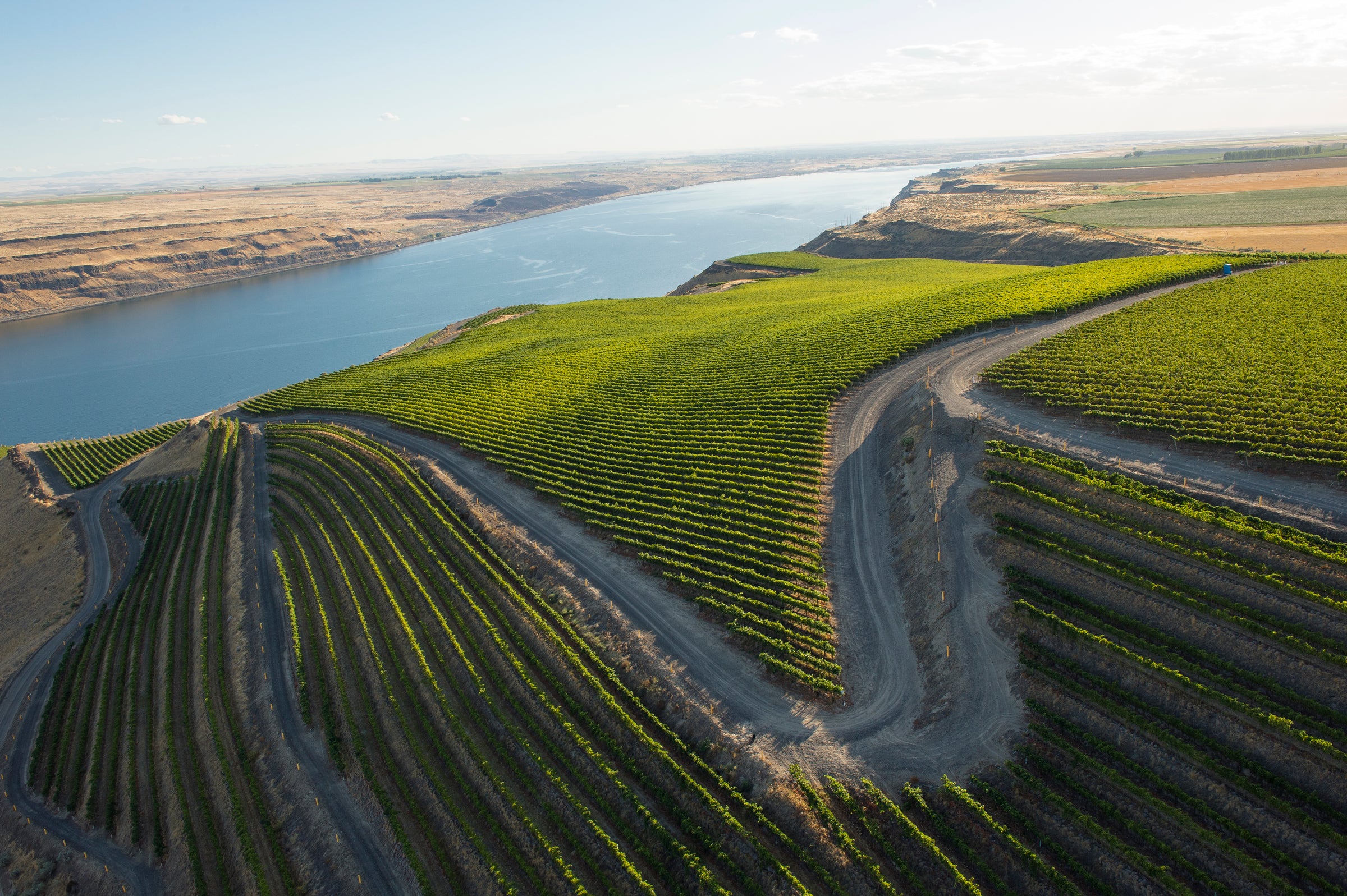
Of course, any discussion of the Columbia Valley must include a mention of the epic “Missoula floods” that swept through the Columbia Gorge at the end of the last ice age. This vast plateau in Eastern Washington, traversed not just by the Columbia River but by tributaries such as the Walla Walla, the Yakima, and the Snake River, contains many different microclimates and sub-appellations. As Gramercy Cellars has grown, Harrington has been able to acquire two ‘estate’ vineyards, one of which is the Octave Estate Vineyard in Walla Walla, a 22-acre site planted in 2007 and shared by several owners. Starting in 2014, the Octave site supplied 15% of the grapes for this wine, which is still driven primarily by fruit from the Phinny Hill Vineyard, a gravel-rich parcel in the Horse Heaven Hills sub-AVA. The third vineyard source is one of the Columbia Valley’s most historic sites—Sagemoor Vineyard, a 180-acre site on the eastern side of the Columbia River first planted in 1968. Although it is home to a wide array of white and red varieties, Sagemoor has some of the oldest-vine Cabernet in the state, with a small stand of vines dating to 1972. As Greg Harrington himself describes it, “Each vineyard contributes vitally to the final blend. Phinny is backbone and elegance, Sagemoor is all about power and complexity, and Octave is the closer.”
Gramercy’s 2014 is comprised of 95% Cabernet Sauvignon, aged 22 months in 39% new French oak. There is no shortage of concentration here, to be sure, but there’s great acid to balance it and well-moderated alcohol as well. In the glass it’s a near-opaque, blackish ruby extending all the rim, with aromatics that would send you in a few directions (Margaux? Mount Veeder?) if you were tasting it blind. The fruit component is red, purple, and black all at once, with everything from blackberry to red currant to cassis intertwined with scents of graphite, tobacco, espresso grounds, chocolate, and wet gravel. The velvety tannins have a telltale New World feel, and while the ripeness and weight are considerable it doesn’t feel heavy. The finish is fresh and darkly savory, with coffee and earth tones lingering long after you’ve finished a sip. In the spirit of the great West Coast Cabernets, this will wow you tonight after 30-60 minutes in a decanter or age gracefully for 10+ years in your cellar. Serve it in large Bordeaux stems with the attached recipe for slow-cooked lamb shoulder; it should have the bass notes you need to properly showcase this wine. Enjoy!