Pauillac AOC
Power and Prestige - The Pauillac AOC
Founded: 1936 (AOC established)
Climate: Moderate maritime with strong Gironde estuary influence; warm, well-ventilated growing season
Elevation: ~0 to 100 ft (0–30 m) on prime gravel rises
Rainfall: ~33 inches / 840 mm annually
Soils: Deep Günzian gravel over clay and limestone; excellent drainage and heat retention; some sandier parcels inland
Acres Total: ~3,000 acres (1,200 ha)
Acres Planted: ~2,900 acres
Fun Fact: Pauillac is the only Médoc commune with three First Growth estates from the 1855 Classification
Varietals: Cabernet Sauvignon (dominant), Merlot, Cabernet Franc, Petit Verdot
Pauillac AOC: The Undisputed Heavyweight of the Médoc
Pauillac AOC: The Undisputed Heavyweight of the Médoc
If Bordeaux communes were ranked by backbone rather than beauty, Pauillac would sit at the top. Unlike Margaux’s perfume or Saint‑Julien’s measured balance, Pauillac is about structure, depth, and long‑hauling authority. Its wines are prototypes of classic Left Bank Cabernet Sauvignon blends—dense, tannic, and designed first for maturation, then for complexity.
For most of the 19th century, Bordeaux’s elite narrative revolved around the Médoc’s 1855 Classification and Saint‑Émilion’s historic terraced sites. Pauillac participated in both developments yet stood apart because it offered something that neither the flat Médoc plains nor limestone uplands could replicate: consistent expanses of deep, heat‑retentive gravel that favored Cabernet Sauvignon above almost every other Bordeaux terroir.
This consistency is not buzzword marketing. It is geological, measurable, and unique in Bordeaux. Pauillac’s gravel deposits (classified scientifically as Günzian gravel) are among the oldest and most thermally efficient in the region. The stones absorb heat during the day and radiate it at night, which is especially important in cooler growing seasons. Beneath, clay and limestone act as a natural water reserve, protecting vines from drought stress without diluting concentration. The result is small berries with thick skins, high phenolic density, and structurally noble tannins.
Climate and Site Authority
Pauillac’s climate is quintessential Bordeaux maritime: humidity moderated by the Gironde estuary, warm growing seasons with cooling breezes, and a growing season long enough to push Cabernet Sauvignon toward full ripeness while preserving acidity.
Unlike more inland or elevated regions, Pauillac rarely suffers extreme summer heat or frost risk. The proximity to the Gironde protects bud break and adds thermal inertia that can be the difference between underdevelopment and phenolic maturity in challenging years. This climatic reliability contributes directly to Pauillac’s reputation for power combined with balance.
Varietal Expression: Cabernet at Its Peak
In Pauillac, Cabernet Sauvignon is not just planted—it thrives by design. Winemakers plant it on the gravel ridges where heat retention is greatest. Merlot is blended thoughtfully, softening Cabernet’s grip and adding mid‑palate flesh. Cabernet Franc introduces aromatic lift and spice, while Petit Verdot may be employed in warmer vintages to deepen color and add peppery complexity.
- The typical signature profile reads like a Bordeaux classic, yet with Pauillac precision:
- Blackcurrant and blackberry core
- Graphite and tobacco concentration
- Cigar box and cedar secondary notes
- Iron and mineral tension
- Firm, muscular tannic frame
These wines are rarely friendly in youth. They are built to withstand decades in cellar and emerge transformed by time—a quality that has helped cement Pauillac’s role as a benchmark for collector‑grade Bordeaux.
Style and Structural Identity
Where Pauillac stands apart is in literal and stylistic heft. In youth, many Pauillac wines are described as stringent, austere, or even forbidding. That’s not a flaw; it’s the architectural blueprint of classical Bordeaux. As they age, these wines evolve complexly, layering forest floor, leather, cedar, tobacco, and mineral depth over a dark fruit chassis. This is investment‑grade wine with measurable aging potential, often 20 to 40 years or more for the upper tier.
Approachability varies. Some drinkers find Saint‑Julien or Margaux easier in early years. Pauillac is uncompromising. It asks for patience and rewards longevity.

Pauillac’s Global Prestige: Three First Growths and Beyond
No discussion of Pauillac is complete without addressing its claim to the 1855 Classification’s triple crown:
- Château Lafite Rothschild
- Château Latour
- Château Mouton Rothschild
These estates do more than anchor Pauillac’s reputation—they define global perceptions of Bordeaux quality and pricing power. Their performance at auctions, critical tastings, and investment markets has elevated Pauillac from regional heavyweight to global Cabernet benchmark.
Yet the commune’s strength is not limited to its First Growth titans. A deep bench of classed growths and crus bourgeois producers such as Château Grand‑Puy‑Lacoste, Château Haut‑Bages Libéral, and Château Pédesclaux deliver structured, age‑worthy wines that consistently reflect Pauillac’s unmistakable terroir stamp.
Pauillac in Context: Power vs. Finesse
Let’s be clear: Pauillac is not subtle. Even in softer years, the wines lean toward firmness and density. If your priority is immediate plush fruit or perfumed accessibility, Margaux or Saint‑Émilion might be more readable early on. But if your aim is longevity, architectural integrity, and classical Cabernet expression, Pauillac remains unmatched on the Left Bank.
Pomerol may offer plush Merlot luxury, and Saint‑Julien may deliver consistent quality across price tiers, but Pauillac anchors Bordeaux’s identity when the benchmark is power and structure.
Top Pauillac Producers
Discovery Producers
-
Château Haut‑Bages Libéral: Offers approachable Pauillac structure with balanced tannins, ideal for early drinking. Demonstrates classic Left Bank Cabernet depth without intimidating intensity. Serves as a gateway to understanding Pauillac style.
-
Château Grand‑Puy‑Lacoste: Refined, structured, and consistent, showcasing classic Pauillac density. Cabernet-driven with age-worthy potential. Represents mid-tier Pauillac excellence at an accessible level.
-
Château Pédesclaux: Structured and approachable, delivering Left Bank Cabernet expression on a smaller budget. Offers complexity without over-extraction. Ideal entry point to serious Pauillac wines.
Collector Producers
-
Château Pichon Longueville Comtesse de Lalande: Marries balanced power with aromatic finesse. Merlot support softens Cabernet structure for elegance. Consistently praised for consistency and longevity.
-
Château Pichon Baron: Ripe, muscular, and structured with clear ageability. Classic Pauillac tannic backbone with black fruit concentration. Highlights Left Bank power and precision.
-
Château Pontet‑Canet: Global pioneer in biodynamic viticulture. Produces deeply structured, age-worthy wines with expressive terroir. Represents innovation and modern Pauillac prestige.
Cult & First Growth Producers
-
Château Lafite Rothschild
Château Lafite Rothschild represents the pinnacle of Pauillac elegance and longevity. Its vineyards, planted predominantly with Cabernet Sauvignon on deep, heat-retentive gravel, produce wines that are refined, structured, and capable of aging for decades. Lafite’s style balances power with subtlety, combining blackcurrant concentration, graphite minerality, and cedar notes that evolve over time. Global demand for Lafite is unmatched, with collectors valuing its consistent performance, historical prestige, and investment-grade potential. The estate serves as the benchmark for finesse-driven Cabernet Sauvignon in Bordeaux, shaping both the identity and reputation of Pauillac on the world stage. -
Château Latour
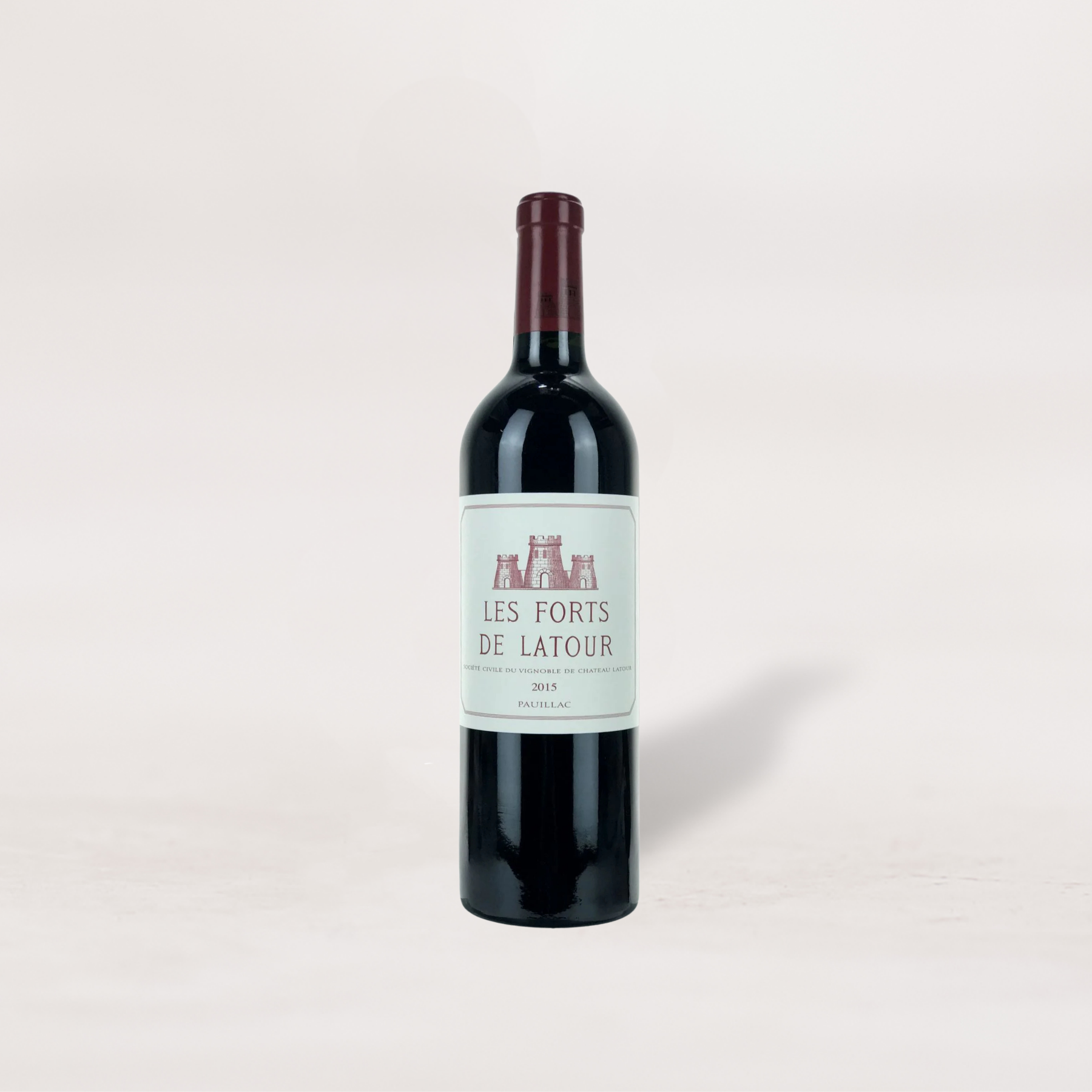
Château Latour epitomizes structural authority in Pauillac, producing wines renowned for power, concentration, and extraordinary aging potential. Cabernet Sauvignon dominates the vineyard plantings, supported by Merlot and smaller percentages of Cabernet Franc and Petit Verdot, delivering a dense, tannic framework capable of evolving over 50 years or more. Latour’s wines are marked by blackcurrant, cigar box, graphite, and iron notes, reflecting the gravelly plateau terroir. Its global influence extends beyond taste: Latour has long been a benchmark for collectors, critics, and investors seeking Pauillac reliability. The estate defines Pauillac’s reputation for Cabernet-driven longevity and uncompromising quality.
-
Château Mouton Rothschild
Château Mouton Rothschild combines audacious style, historical narrative, and global luxury appeal, making it one of Pauillac’s most iconic estates. Known for bolder, more opulent wines than its neighbors, Mouton expresses power with richness, velvety tannins, and remarkable depth. Beyond the vineyard, the estate pioneered estate bottling, innovative marketing, and artistic vintage labels, reinforcing its international stature. Cabernet Sauvignon dominates the blend, but careful Merlot and Petit Verdot integration adds texture and complexity. Mouton Rothschild demonstrates that Pauillac prestige is not only about terroir but also vision, storytelling, and market influence, cementing its role as both a wine and a cultural symbol.
Pauillac’s Role in Bordeaux
Pauillac AOC is proof that power, structure, and terroir coherence can define a great wine region even in the absence of size or stylistic simplicity. It is both a collector’s benchmark and a purist’s test. Its gravel, climate, and varietal focus produce wines that are not about short‑term pleasure but long‑term expression.
Pauillac may wear the crown for classic Cabernet authority, but Bordeaux’s greatness comes from diversity. If you prize power, longevity, and terroir precision, Pauillac will always be the Left Bank’s most compelling reference point.