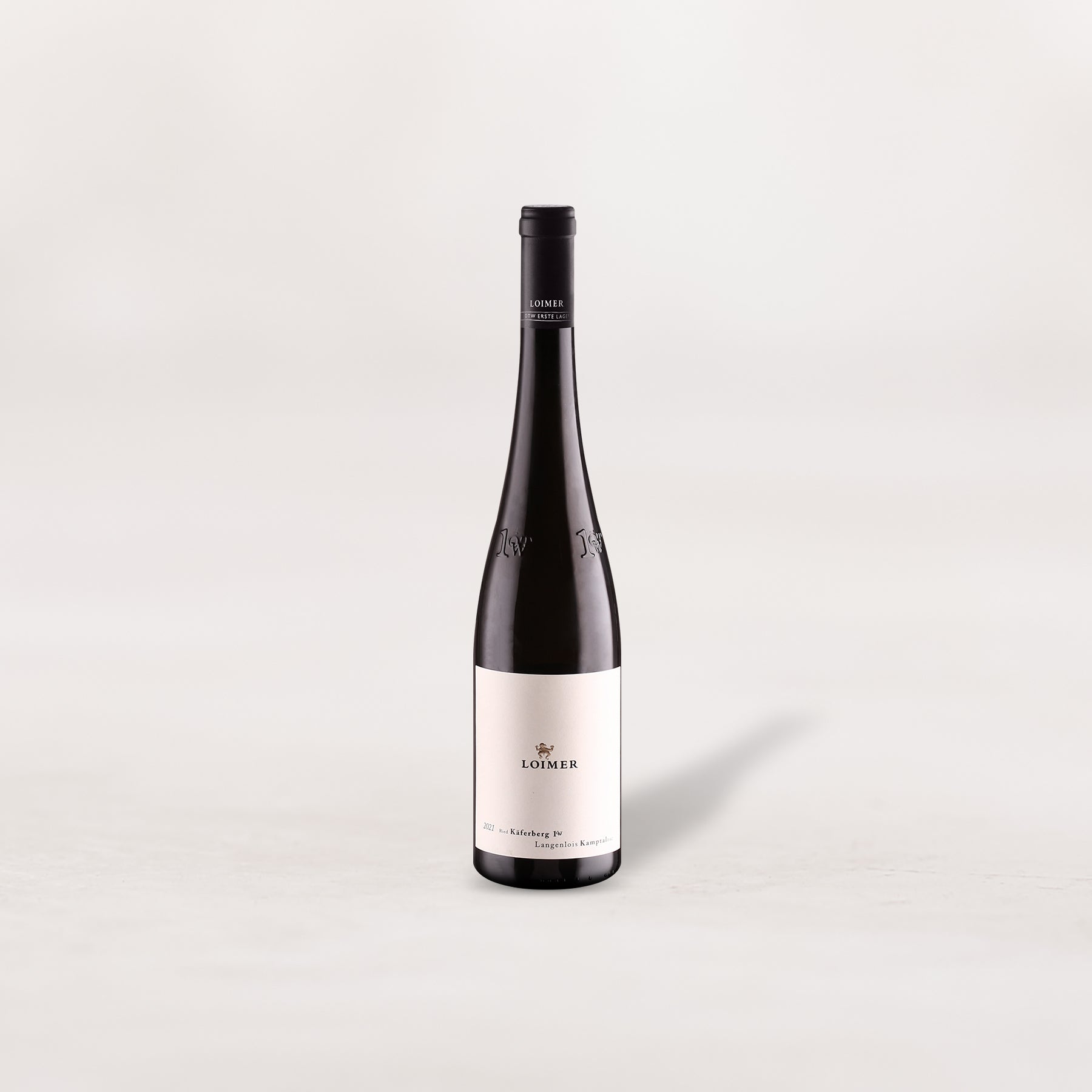
Celebrate Lunar New Year with Our Biodynamic Collection
Biodynamic Viticulture: Lunar Rhythms and Vineyard Harmony
Biodynamic viticulture represents one of the most exacting and holistic approaches to grape growing in the modern wine world. Rooted in the teachings of Rudolf Steiner in the early 20th century, biodynamics treats the vineyard as a self-contained ecosystem, where soil, plants, animals, and cosmic rhythms are integrated into every aspect of cultivation. Rather than focusing solely on yield or mechanization, biodynamic growers prioritize vine health, soil fertility, and terroir expression, often resulting in wines that express site with remarkable clarity and vitality.
At its core, biodynamic farming emphasizes balance and observation. Vineyards are planted with companion crops and cover plants, animals roam within the ecosystem, and composts are carefully applied to enrich soil biology. Special preparations — often herbal or mineral-based, buried in cow horns, fermented, and applied to the vineyard — are used to stimulate microbial activity and nutrient cycling. These practices ensure that vines are resilient, concentrated, and expressive, while also fostering biodiversity and discouraging monoculture. Hedgerows, ponds, and insect habitats are common features, supporting both ecological balance and plant health.
In practice, biodynamic viticulture is meticulous and time-intensive. Vineyard activities are guided not just by weather or standard agricultural timing, but by the celestial rhythms of the moon, planets, and constellations. Growers observe “root days,” “leaf days,” “flower days,” and “fruit days,” timing pruning, planting, and harvesting according to the part of the plant they wish to emphasize. Many winemakers credit these rhythms with producing grapes of superior concentration and balance, and wines with a heightened sense of energy, clarity, and typicity.
Lunar Influences and Biodynamic Timing
Lunar cycles have long been used to guide agricultural work, from early European vineyards to coastal farm systems influenced by tides and weather. In biodynamic practice, the moon is more than a calendrical tool; its cycles are believed to influence sap flow, root vigor, and fruit development, while planetary alignments provide additional guidance on the intended effect of vineyard work.
The Maria Thun biodynamic calendar, developed in the 1960s, remains one of the most widely used tools for this purpose. The calendar divides the lunar cycle into days favoring different parts of the plant:
Root days: Promote underground vigor, making these ideal for planting or soil work.
Leaf days: Encourage vegetative growth, suited for canopy management or grafting.
Flower days: Support flower and fruit set, essential for optimal yields.
Fruit days: Maximize grape ripeness, phenolic concentration, and flavor expression.
During the Lunar New Year, new moon periods and ascending moon phases are particularly significant. Vineyards often initiate pruning, compost incorporation, and soil preparation at these points, aligning the vineyard with cosmic rhythms for the year ahead. The practice is more than ritual; by following these cycles, growers aim to optimize grape balance, phenolic maturity, and the overall vitality of the vines. Coastal vineyards also monitor lunar-influenced tidal and weather patterns, which subtly affect soil moisture, temperature, and vine stress, creating microclimatic nuances that shape grape development.
Whether considered symbolic or practical, these methods encourage attentiveness and precision in vineyard management, resulting in wines that convey intensity, structure, and true site expression. For celebrations like Lunar New Year, biodynamic wines also embody a connection between agriculture, astronomy, and culture, making each bottle both a reflection of terroir and the rhythm of the seasons.
Soil, Climate, and Biodiversity
Biodynamic vineyards emphasize soil as the foundation of terroir. Soils are maintained to support a living ecosystem, with healthy microbial activity critical for nutrient availability and plant resilience. Techniques such as cover cropping, composting, and the use of preparations like horn manure stimulate soil life, encouraging vines to develop deep roots, balanced vigor, and strong natural defenses.
Climatically, biodynamic vineyards are typically sited with attention to microclimates, sun exposure, and air circulation, reducing disease pressure without reliance on synthetic chemicals. Biodiversity in and around the vineyard — from insects and birds to beneficial fungi — helps maintain ecological balance, discouraging pests naturally and promoting vine health. Many producers report that this integrated approach results in grapes that are more expressive, wines that are more complex, and vineyards that are resilient across vintages.
Varietals and Expression
While biodynamic practices can be applied to nearly any grape, certain varietals are particularly suited to the approach. Pinot Noir, Chardonnay, and Syrah frequently benefit from biodynamic management, showing clarity of fruit, lifted aromatics, and structural precision. The careful timing of vineyard work and emphasis on soil vitality often results in wines with enhanced minerality, freshness, and ageability, which sommeliers and collectors prize.
Biodynamic practices also encourage experimentation and careful attention to subtle varietal differences. By observing vine response to lunar cycles and compost applications, producers fine-tune canopy management, thinning, and harvest timing to maximize site-specific expression. The result is a wine that reflects both its vineyard and the rhythm of the natural world, rather than just human intervention.
Producers Leading the Biodynamic Movement
Many leading biodynamic producers are celebrated for their ability to translate vineyard philosophy into expressive wines. These estates demonstrate that meticulous attention to natural rhythms and soil health can produce bottles that are both elegant and structured. Discovery producers often focus on single-site expressions, experimenting with lunar timing and preparations. Collector-level producers combine biodynamic rigor with advanced winemaking techniques, producing wines that consistently attract critical acclaim. Cult estates push the boundaries, showing that celestial-informed viticulture can yield wines rivaling the world’s finest in precision, intensity, and terroir fidelity.
At SommSelect, our biodynamic selection reflects this spectrum: from expressive and approachable bottles to highly structured, age-worthy offerings. Each bottle has been curated by our Master Sommeliers to showcase the purity and vitality that biodynamic farming delivers.
Why Biodynamics Matters
Biodynamic viticulture is not merely a marketing trend — it is a philosophy that integrates ecology, astronomy, and human stewardship. By respecting soil life, plant physiology, and cosmic rhythms, biodynamic growers create vineyards that are more resilient, balanced, and expressive. Wines produced under these methods often display heightened aromatic clarity, structural integrity, and sense of place, providing a distinct alternative to conventional viticulture.
Through careful alignment with lunar cycles, planetary influences, and seasonal transitions, biodynamic farming bridges tradition, science, and artistry. Celebrations like Lunar New Year highlight the connection between vineyard work and cosmic rhythms, reinforcing the idea that wine is as much a product of nature’s cycles as it is of human care.
Shop Our Biodynamic Wine Collection