I kid you not: The once-in-a-lifetime experience in front of you today, crafted by one of Madeira’s benchmark wine houses, is nearly 150 years in the making—that’s not an exaggeration. With original base wine coming from the 1870s, plus a perpetual barrel blend of vintages (
solera) that was first established in 1894, this rare antique Madeira is one of the oldest living liquid gems on the planet!
I recently poured it for a group of wine connoisseurs and dared them to guess the decade, not the vintage. No one was even remotely close, and one person was almost a full century off! I can’t blame them—this breathtaking museum piece is drinking at an exceptionally youthful and sensationally complex level. That’s the magic of a genuine
solera and the
canteiro method: It blends the fresh with the old, creating a harmonious masterpiece and a vinous heirloom that can be savored over several sittings. Just like the 1954 vintage we offered several months ago, this extremely rare 1894 Founder's Blend has never left—and at this very moment, still sits—in the cellars of Henriques & Henriques. We were given access to just 12 bottles.
First come, first serve. [*PLEASE NOTE: This wine is being specially ordered from the cellars of H&H in Madeira, so please allow 12-15 weeks for delivery.]
Henriques & Henriques is one of Madeira’s most time-honored and respected names. Legend has it that explorer Infante Dom Henriques planted the first vines in Madeira in the early 1400s after stumbling upon the island! The wine house, however, wasn’t established until 1850 by João Joaquim Gonçalves Henriques. By 1925, they were exporting Madeira entirely crafted from their own vineyards—a rarity. Since then, H&H has built up an impressive library of old wines while maintaining their own vineyards.
Now, Madeira: What is it? At its core, simply a fortified wine (e.g. Port, Sherry, Marsala) from the Portuguese island (far) off Morocco’s coast, but let’s delve into the layers that make it unique. Historically, Madeira wasn’t fortified. The concept for Madeira started centuries ago when international trading ships would stop on the island for a quick respite and subsequently pick up a load of Madeira’s still, unfortified wine. These barrels would sit in the cargo hold, acting as both a ballast for the ship and thirst-quencher for the mariners. Long voyages heated the wines, especially across the equator, and sailors soon discovered they preferred the taste. So, they started sending boats around the world—sometimes twice—and began labeling them as vinhos da roda or ‘round-trip wines.’ Later on, in the mid-1700s, winemakers began realizing that acetobacter (the bacteria which turns wine into vinegar) couldn’t survive after a certain alcoholic threshold, so they began fortifying their wines with cane sugar distillate.
In recent history, two methods are used to replicate the old “round-trip” heating and oxidation process, known as “maderization”: estufagem and canteiro. The former is the quicker and cheaper method, where wines are heated to around 120 degrees Fahrenheit for several months in stainless steel vats. Only the finest labels, like today’s, are made via the canteiro process, which requires cask aging for many years in lodge attics or outside with direct sun exposure, during which time the casks “breathe” and the wines undergo slow, controlled oxidation.
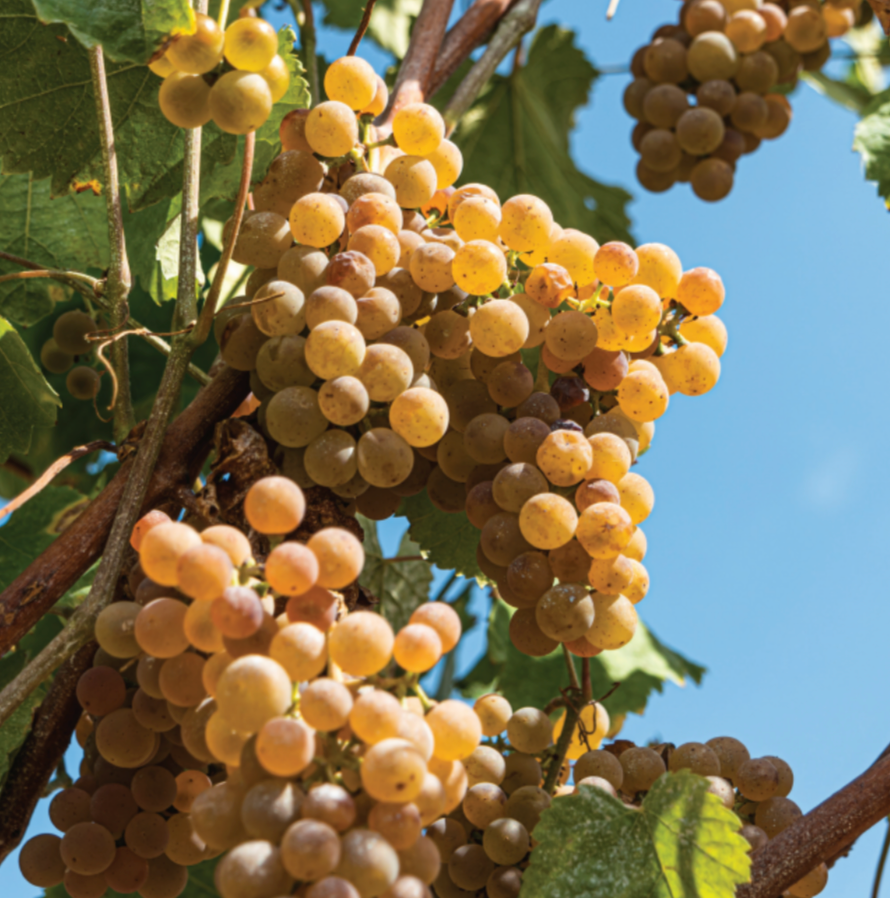
Though today’s mind-boggling rarity is concocted from a staggering amount of vintages—with the first being sometime in the 1870s—each individual wine started off the same: Malvasia was handpicked at harvest and naturally fermented in lagares (shallow, open-top vessels). The wine was then fortified with a traditional rum-like, cane sugar distillate known as aguardiente and aged in the aforementioned canteiro process.
The fortified wine that was originally made in the 1870s aged in this fashion until 1894 (as donated on the label) when Henriques & Henriques started a small solera system. From this, they began topping off the Malvasia from the 1870s with a bit of Malvasia from 1894. This fractional blending process continued over the course of decades and decades until they deemed it ready for bottling in August of 2010. Overall, today’s bottle consists of myriad vintages spanning three centuries. Sounds insane, huh? It’s hard for us to fathom, too.
For the lucky few who purchased the 1954 Vintage Madeira: You have your hands on two of the most incredible fortified wines I’ve ever had the pleasure of tasting. While the 1954 was a savory treat that drank with incredible vigor, the 1894 Founder’s Solera will downright stun you. The level of energy and precision in this 19th-century antique is astounding. It reveals a brilliant golden amber with intense viscosity and simply explodes from the glass with intensely perfumed aromatics. A little goes a long way too—you’ll find yourself savoring an ounce for ages, as it reveals spiced and candied nuts, brown sugar, spun honey, preserved plum, stewed quince, dried rose petal, prunes, golden raisins, candied orange peel, vanilla, sandalwood, cloves, old leather...the list truly is endless—and it extends to the full-bodied, impossibly fresh palate. Best of all? There’s no need to rush: This beauty will keep for weeks, even months, after opening and will tack on another century of age should you want to stash it away for a future generation. It’s impossible not to appreciate the magnitude of history in this bottle so invite over your most special friends and family. Serve one or two ounces in an all-purpose or fortified stem around 55-60 degrees and savor this treat with a selection of your favorite cheeses, dried fruits, and candied nuts. This article is a good guide on what to buy!